Chinese Market Surge and European Response
The 2026 Paris Motor Show opened today with a flurry of new models and high‑profile speeches. The event, held at the Grand Palais, attracted thousands of visitors amid a backdrop of tightening trade rules and growing economic uncertainty across Europe. Manufacturers from France, Germany, Italy, and Spain showcased electric vehicles, autonomous driving prototypes, and hybrid powertrains. Yet the atmosphere was tinged with tension as officials highlighted the growing threat from Chinese automakers, who have rapidly expanded their global footprint.
Latest news
 Economic Frustration Drives Washington to Step Up Market Intervention Post‑Midterms
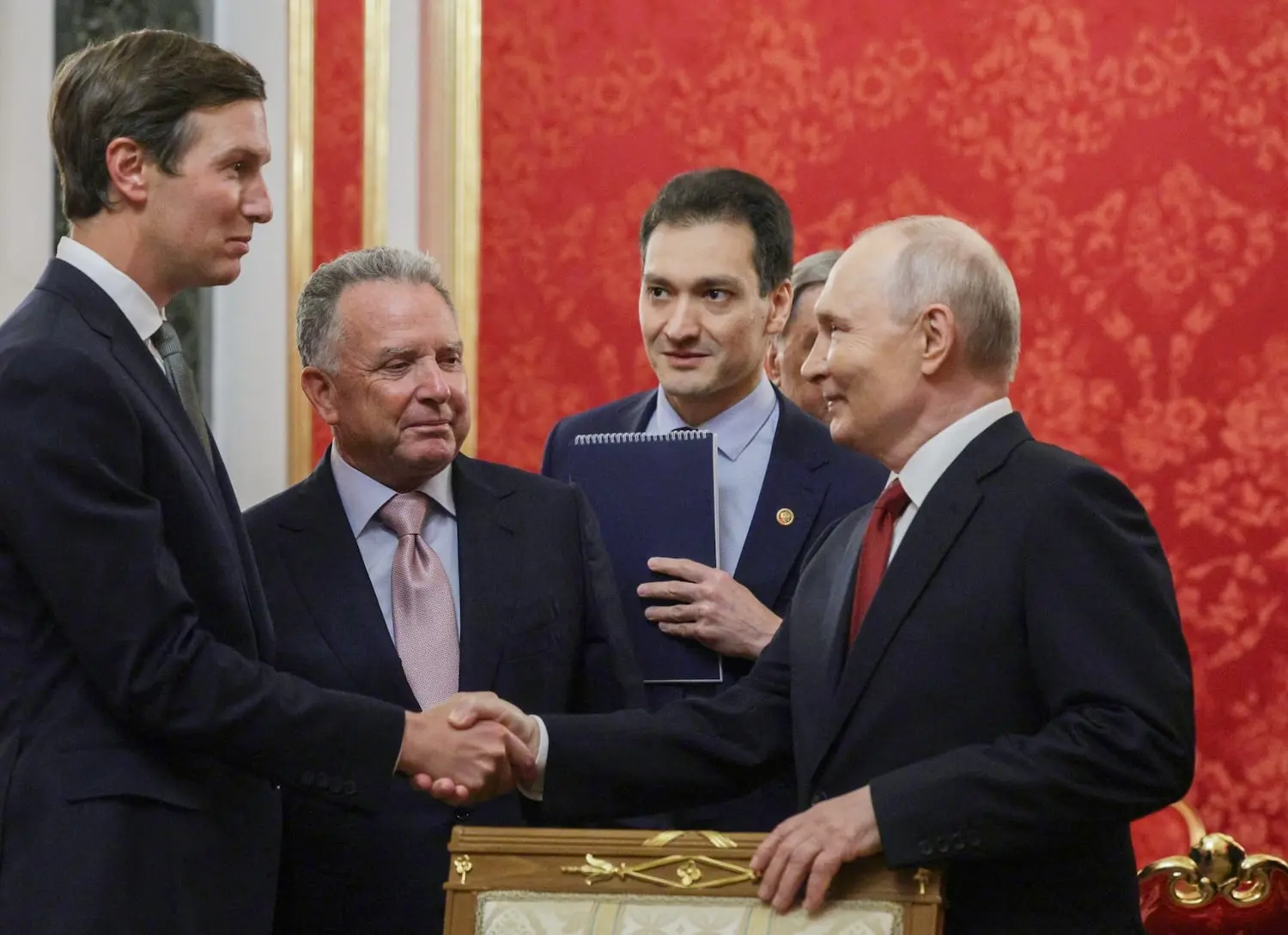 Congress Can Do More to Address Kushner’s Conflicts of Interest
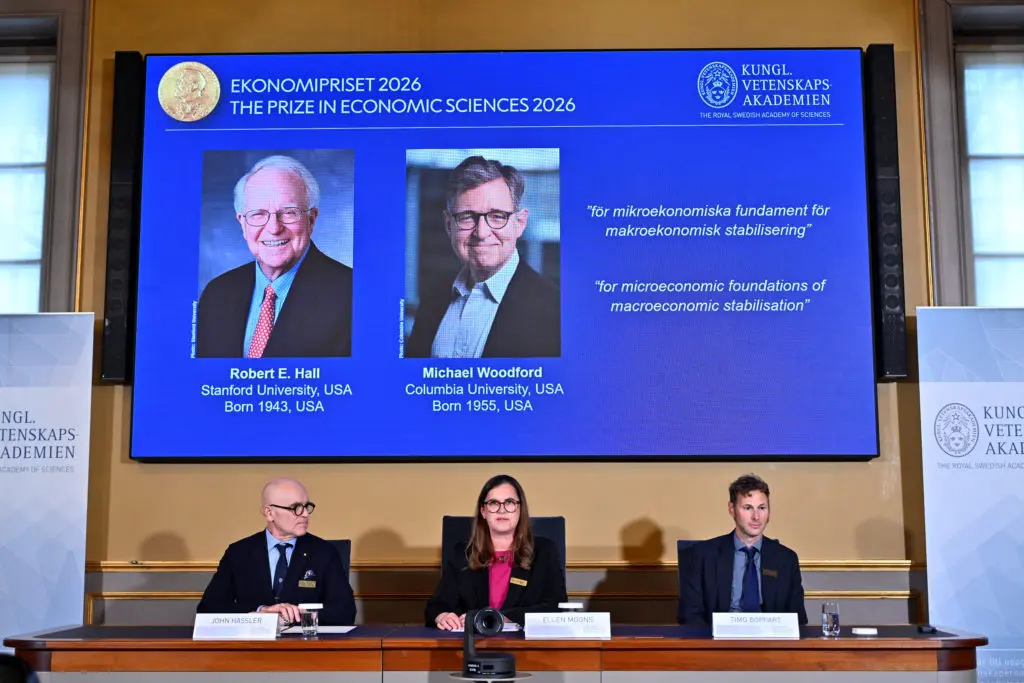
 Nobel Prize-Winning Economists Hall and Woodford Recognized for Central Bank Research
 Cyprus Nears Schengen Membership Despite Political Hurdles
Innovation vs. Scale: A Strategic Divide
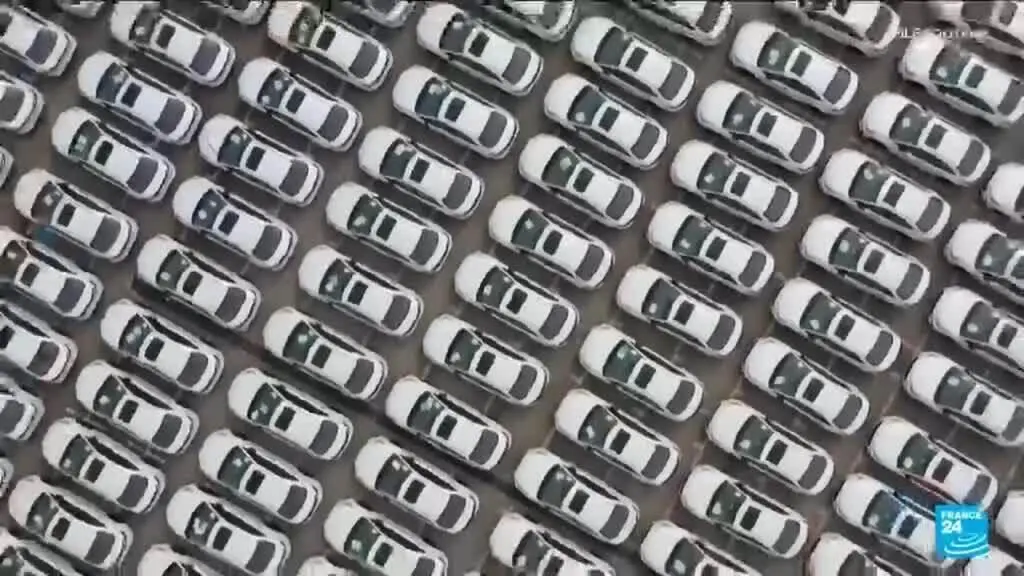
China’s automotive exports have surged in the last decade, with companies like BYD and NIO rolling out affordable electric models worldwide. European firms, traditionally dominant in luxury and performance segments, now face price‑competitive alternatives that appeal to budget‑conscious consumers. At the show, the German ministry of Economic Affairs urged automakers to accelerate electrification and adopt flexible manufacturing. „We cannot afford to let Chinese technology dictate the future of mobility,” said the minister in a keynote address.
Trade Tensions and Diplomatic Challenges
European manufacturers emphasize design excellence and high‑quality production, but they struggle to match the scale of Chinese factories. A recent study by the European Automobile Manufacturers Association found that Chinese plants can produce 20% more vehicles per year at lower labor costs. In response, several European firms announced partnerships with battery suppliers and software developers to boost their own supply chains. One French company revealed plans to build a new gigafactory in the south of France, aiming to reduce import dependence on Chinese batteries.
The Paris Motor Show also served as a platform for discussing new trade agreements. The European Union announced a revised tariff schedule that would increase duties on imported electric vehicles from China by up to 15%. Meanwhile, Chinese officials criticized the move as protectionist. „We will seek reciprocal measures to safeguard our automotive interests,” said a Chinese trade representative. The diplomatic back‑and‑forth highlights the fragile balance between fostering competition and maintaining open markets.
Will European Automakers Survive the Chinese Challenge?
The core question remains: can European automakers compete with Chinese rivals in cost, technology, and speed? Some experts argue that Europe’s strengths—advanced engineering, strong brand heritage, and stringent safety standards—will keep it competitive. Others warn that without significant investment in mass production and digital platforms, European firms risk losing market share.
Frequently Asked Questions
The long‑term outlook depends on policy decisions, consumer preferences, and the pace of technological change. European governments may need to offer subsidies for electric vehicle production and support digital infrastructure to level the playing field.