Breaking the Monopoly on Critical Minerals
Rafael Moreno, founder of the mining firm Viridis, recently urged China to relax its grip on the global rare earth market. Speaking alongside European Commissioner Jozef Síkela in Brazil this June, Moreno argued that current market volatility stems from Beijing’s dominant control. This tension threatens the stability of essential technology manufacturing across the European Union.
Latest news
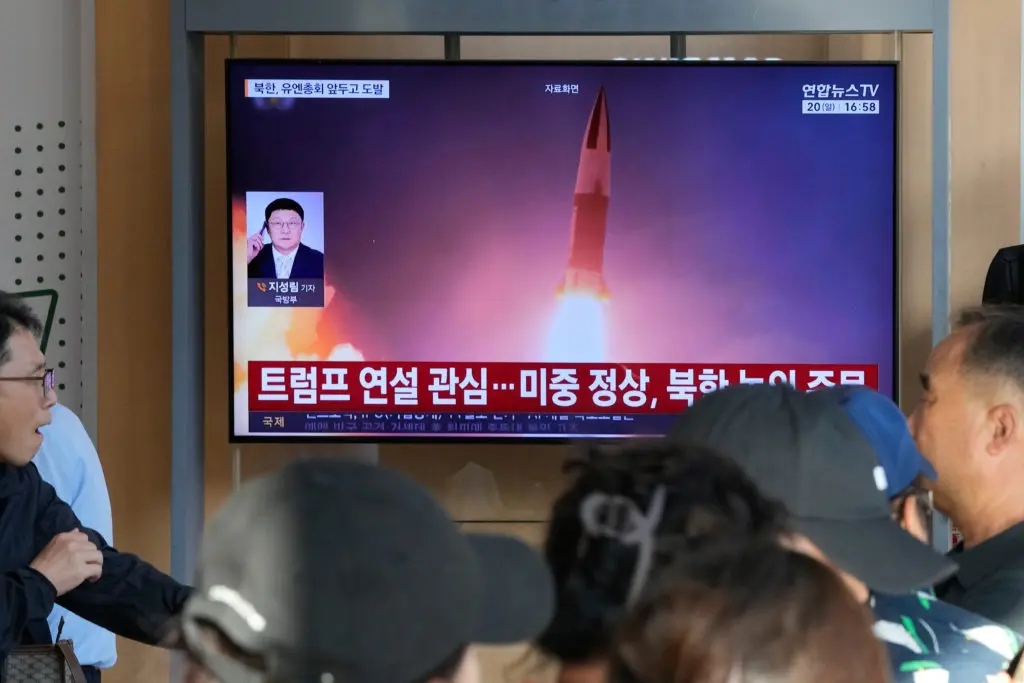 North Korea Fires Two Ballistic Missiles Over the Sea, Intensifying U.S. Tensions
 Liberal Democrats unveil two billion pound fuel tax cut plan
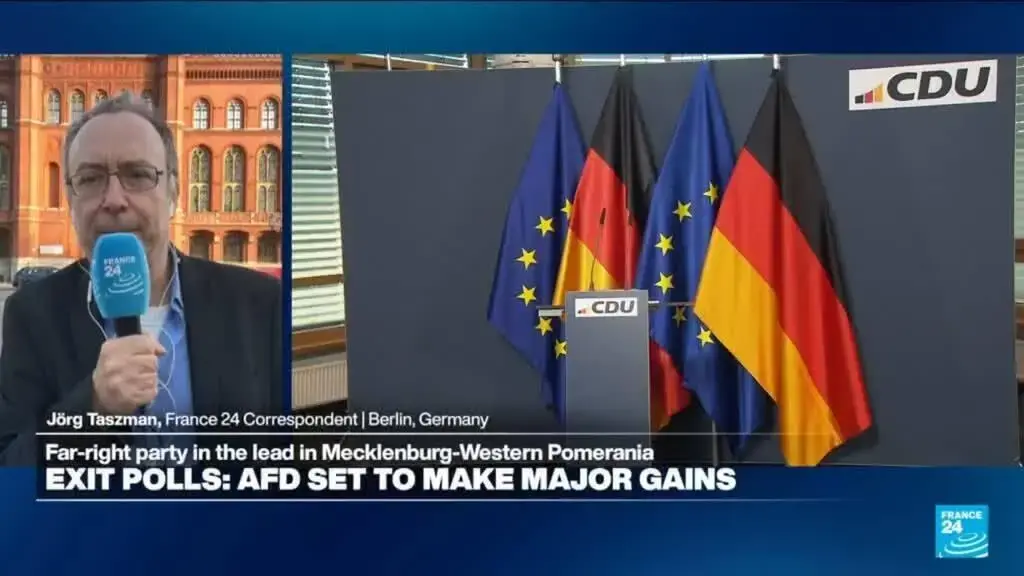 Reversal for CDU in Two German State Elections
 The Deportation Project: Inside Trump Administration's Secret Agreements
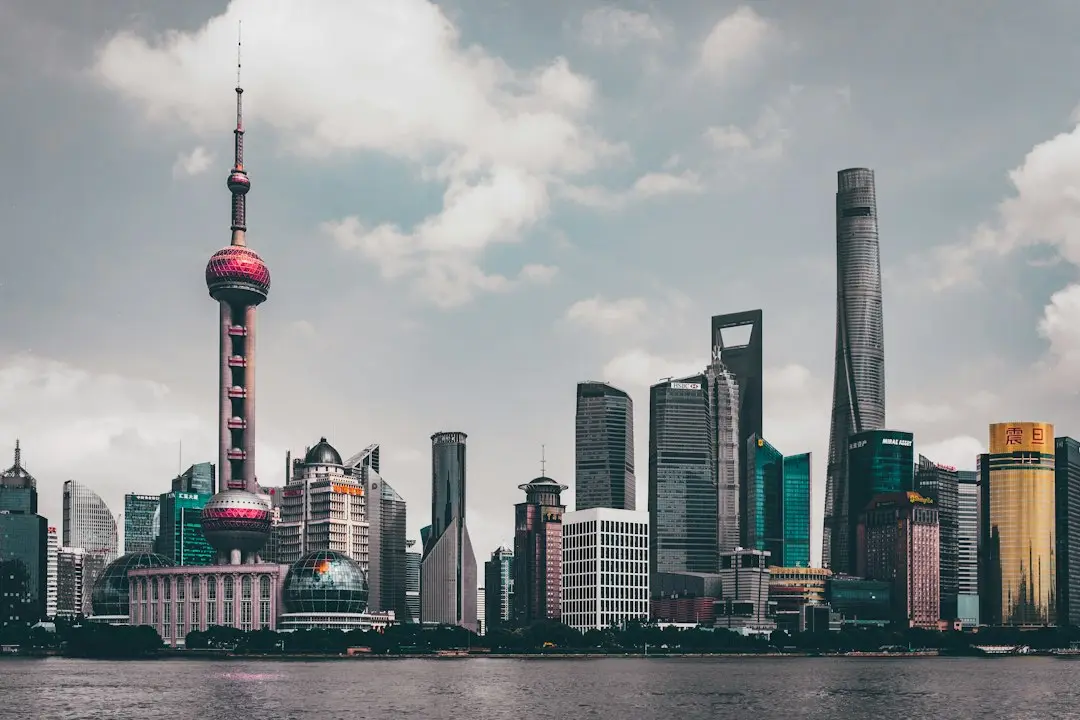
The rare earth industry remains heavily concentrated within Chinese borders. This monopoly allows the nation to dictate prices and export quotas, often disrupting international supply chains. Moreno’s company is currently operating a demonstration facility in Brazil, aiming to provide a viable alternative for Western nations seeking to diversify their critical mineral sources.
Western governments are increasingly concerned about their dependence on Chinese exports for high-tech components. Rare earths are vital for electric vehicles, wind turbines, and advanced defense systems. Without reliable access to these materials, European efforts to transition toward greener energy could face significant delays or prohibitive costs.
Can Brazil Become a Global Mining Hub?
Viridis represents a growing movement to establish independent supply hubs in South America. By extracting and processing minerals outside of traditional spheres of influence, these projects hope to stabilize global prices. Commissioner Síkela’s presence at the Brazilian site underscores the European Union's commitment to securing these strategic partnerships.
The success of these initiatives depends on massive investment and streamlined regulatory approval. Critics argue that competing with established Chinese infrastructure will take years of development. However, proponents believe that the current geopolitical climate justifies the high costs of building new, independent supply lines.
Frequently Asked Questions
If these efforts succeed, the global market will likely see a shift toward more competitive pricing. Failure to diversify, however, leaves the international technology sector vulnerable to sudden trade restrictions. As global demand for high-tech metals continues to climb, the race to secure non-Chinese sources has become a top priority for Western policymakers.
Why are rare earth metals considered so important? These elements are essential for manufacturing high-tech electronics, electric vehicle batteries, and renewable energy infrastructure. They are critical components that currently have few, if any, effective substitutes in modern industrial applications.
What is the primary goal of the new Brazilian facility? The project aims to demonstrate that rare earth extraction can be scaled outside of China. By creating a new supply source, the company hopes to reduce global market volatility and provide Western nations with a more secure, diversified supply chain.