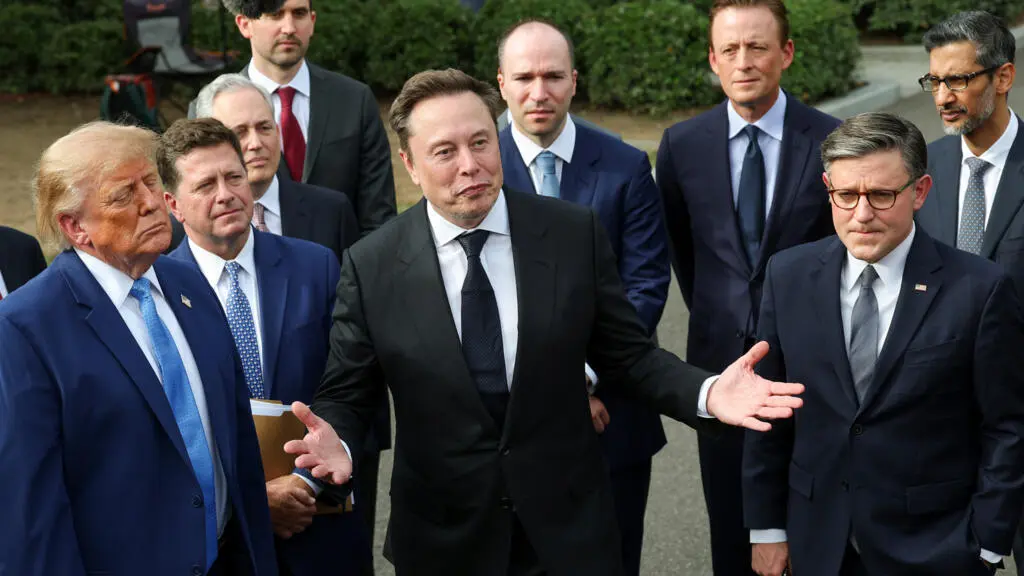
Independent Audits and Board Oversight
President Donald Trump joined executives from major artificial intelligence firms on Tuesday to sign a voluntary agreement. This accord aims to enhance safety reviews within the industry. The move responds to rising public anxiety regarding the rapid development of AI technologies. The signing ceremony marked a significant step in regulatory cooperation between the White House and private sector leaders.
Latest news
 G20 Trade Ministers Gather in Wisconsin Amid Tariff Tension
 Senate Democrats Unite to Push for West Bank Violence Report
 Sandino's Rebellion Against U.S. Occupation Begins in Nicaragua
 Diesel Surpasses Gasoline as Europe's Most Expensive Fuel
The primary goal of this initiative is to establish robust internal controls for AI systems. Companies participating in the deal have committed to rigorous self-assessment processes. These measures are designed to identify potential risks before new models reach the public market. The framework emphasizes transparency and accountability throughout the development lifecycle. By adopting these standards voluntarily, firms aim to preempt stricter government mandates that could slow innovation.
A central pillar of the new accord requires independent third-party audits. These external reviews will verify that safety protocols are functioning effectively. Additionally, corporate boards of directors must assume greater responsibility for AI governance. Executives cannot rely solely on technical teams; they must understand the strategic implications of their models. This shift places high-level management directly in charge of risk mitigation.
Does Voluntary Action Prevent Future Mandates?
The agreement reflects a broader trend in tech regulation where voluntary standards often precede mandatory laws. Critics argue that self-regulation may lack the teeth of federal legislation. However, proponents believe it allows for faster adaptation to emerging threats. The involvement of top-tier companies signals that the industry recognizes the need for structural changes. Without such measures, public trust could erode further, leading to heavier bureaucratic burdens later.
The success of this pact depends heavily on consistent enforcement by participating firms. If companies fail to meet the agreed-upon benchmarks, the voluntary nature of the deal could be questioned. Lawmakers are watching closely to see if these internal checks hold up under pressure. A failure to maintain standards might trigger calls for binding federal regulations. The current administration appears supportive of this collaborative approach for now.
Frequently Asked Questions
This development sets a precedent for how other emerging technologies might be managed. It suggests a path where industry and government work together rather than opposing each other. The focus remains on balancing innovation speed with safety assurance. As AI models become more complex, the need for clear oversight structures becomes undeniable. The coming months will test whether this voluntary framework can withstand scrutiny from both regulators and the public.
What specific actions do AI companies take under this accord? Companies must implement internal safety controls and submit to independent audits. They also require board-level oversight to ensure accountability. These steps are designed to catch issues early in the development process.
Why is this agreement considered voluntary? The pact relies on company commitment rather than immediate legal mandate. Firms choose to adhere to these standards to build trust. However, consistent compliance may eventually lead to formalized rules.