Framing Technical Debates Through Political Lenses
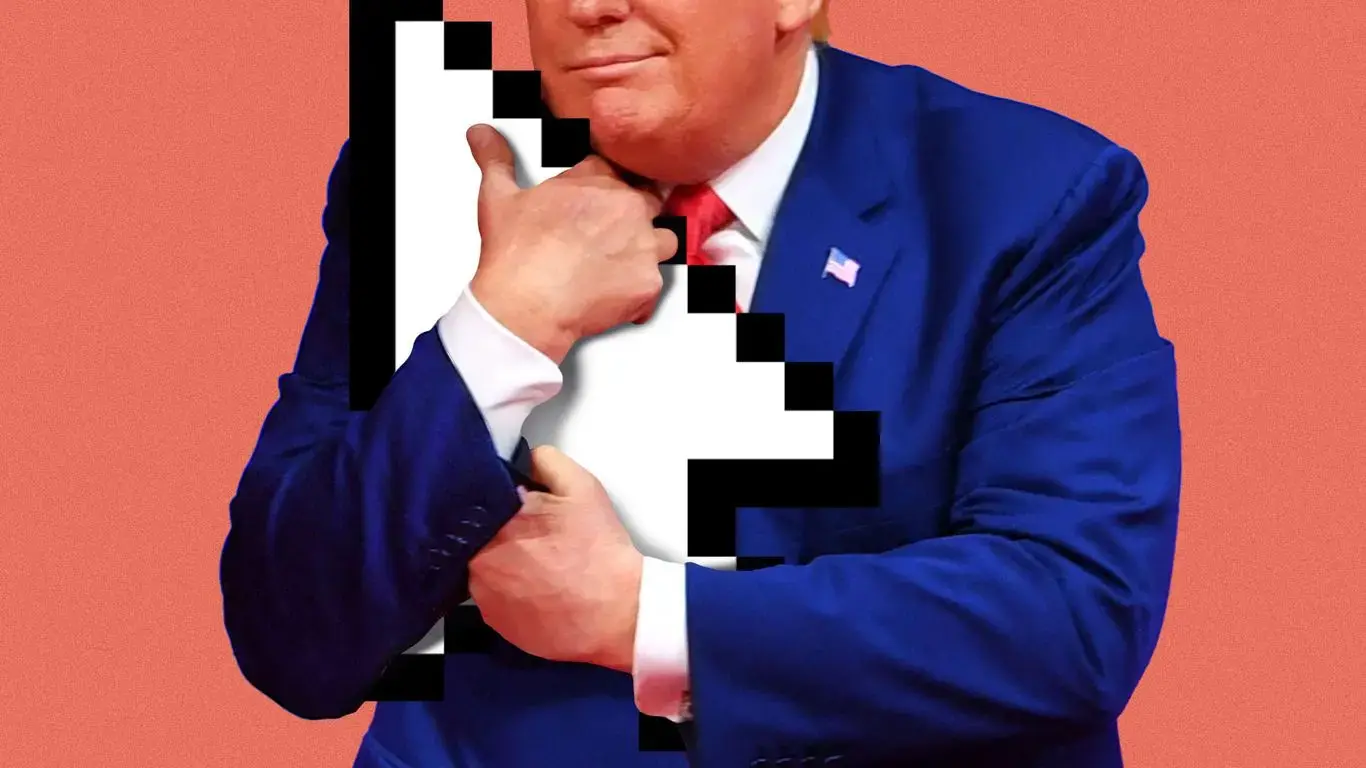
President Donald Trump declared an open war against the artificial intelligence safety movement on Monday. He dismissed industry warnings about existential risks as a coordinated effort to undermine American progress. The president framed this technical debate as a political battle, aligning it with familiar partisan narratives. This move signals a shift in how Washington approaches emerging technology policy.
Latest news
 Former CIA Analyst Speaks Out After Being Fired by the Trump Administration
 Women’s Rights Activists Rally in Paris Over Sexual Violence Legislation
 Audit Reveals Critical Flaws in Middle East Medevac Plans
 EU MEP Warns of AI Risks and Calls for Global Treaty Leadership
The administration now views AI skepticism not just as a scientific disagreement but as a cultural attack. Trump described the panic surrounding machine learning models as a sick conspiracy. He argued that critics aim to sabotage both the nation’s technological lead and his own political legacy. This rhetoric transforms a nuanced discussion into a clear conflict between supporters and detractors.
Trump has spent the last decade defining his political brand through specific language. He frequently uses terms like hoaxes, conspiracies, and traitors to describe opponents. Now, he applies this same vocabulary to the AI sector. By labeling safety advocates as part of a grand scheme, he simplifies their arguments. Complex concerns about model alignment and data privacy become simple stories of bad actors trying to stop innovation.
Is the AI Panic a Political Weapon?
This approach mirrors previous battles over climate change and public health. In those instances, technical uncertainty was often cast as evidence of a hidden agenda. The AI field faces similar challenges. Researchers warn that large language models could behave unpredictably at scale. However, under this new political framing, caution is often mistaken for fear-mongering. Supporters of rapid deployment gain momentum when hesitation is branded as obstructionism.
Critics argue that the timing of this declaration is strategic. As election cycles approach, controlling the narrative around future industries becomes vital. AI promises significant economic growth and job creation. By attacking those who say the technology needs brakes, Trump positions himself as the champion of speed and innovation. This stance appeals to voters who view regulation as a barrier to success.
The Hoax Busterpersona comes into play here. Trump presents himself as the one who sees through the fog of expert consensus. He claims that while others see danger, he sees opportunity. This dynamic forces AI companies to choose sides publicly. Some executives have aligned with the pro-growth camp, while others continue to advocate for rigorous testing protocols. The result is a fragmented industry landscape where political allegiance often dictates technical strategy.
Frequently Asked Questions
The consequences of this shift extend beyond the White House. Tech companies may rush to release products to avoid being labeled as part of the conspiracy. Regulatory bodies might hesitate to impose strict guidelines for fear of political backlash. Investors could favor aggressive expansion over careful development. If the political narrative holds, the next major AI incident will likely be debated less on its technical merits and more on which side of the aisle caused it. The debate is no longer just about code; it is about power.
Why did Trump call the AI safety debate a conspiracy? He believes that warnings about AI dangers are exaggerated efforts to slow down American innovation. This narrative fits his broader view that external groups often plot against his administration.
How does this affect AI companies? Companies must now navigate political expectations alongside technical ones. Those who emphasize safety risks may face criticism for holding back progress, while those pushing rapid launches gain political favor.