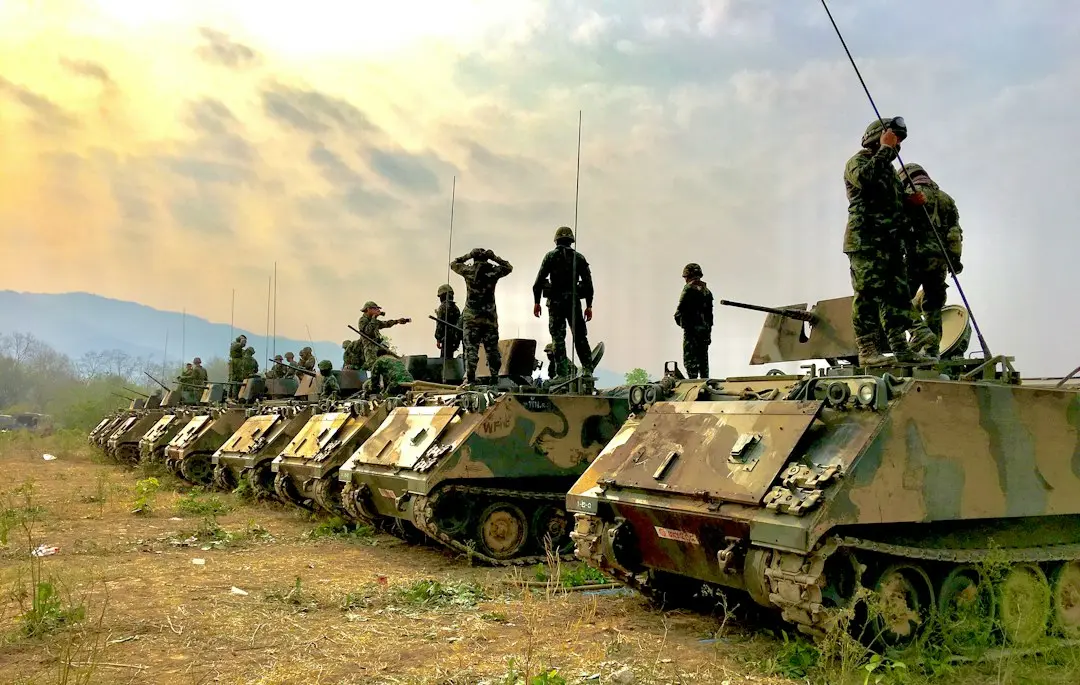
While no direct evidence was presented in the statement
Ethiopia’s military chief has pledged restraint while accusing neighboring Eritrea of funding and supporting armed groups aimed at destabilizing the country, raising concerns about a potential resurgence of civil conflict. The statement came amid growing tensions on social media and fears of renewed violence across regions already scarred by past wars. The army’s declaration seeks to reassure the public while highlighting external threats it claims are exacerbating internal fragility. The army chief’s allegations point to Eritrea’s alleged role in financing and arming insurgent factions to weaken Ethiopia’s government and deepen divisions along ethnic and regional lines. These claims echo longstanding accusations between the two Horn of Africa nations, particularly following the 2020-2022 Tigray war, during which Eritrean forces were reported to have fought alongside Ethiopian troops.
Latest news
 Iran Declares Conflict With Washington Far From Over
 US denies Iran captured underwater drones in Strait of Hormuz
 Cognac Faces Trade‑War Fallout as Sales Slump
 Home Office Faces Lawsuits After Revoking EU Residents’ Rights
While no direct evidence was presented in the statement, the military emphasized its commitment to avoiding escalation despite provocations. Eritrea’s Alleged Role in Fueling Instability The Ethiopian military asserts that external actors, specifically Eritrea, are deliberately undermining national stability by channeling resources to armed groups operating in border regions. Officials argue this strategy aims to provoke internal strife, divert government attention, and create conditions conducive to regime weakening. Such accusations, if substantiated, could further strain already tense diplomatic relations between Addis Ababa and Asmara. Analysts note that Eritrea has historically denied involvement in Ethiopia’s internal affairs, though regional observers have documented cross-border military movements during past conflicts. How Is Ethiopia Preventing Escalation? Despite the serious allegations, the army insists it will not retaliate militarily against Eritrea or engage in actions that could trigger a broader war.
Instead, it emphasizes diplomatic channels, internal dialogue
Instead, it emphasizes diplomatic channels, internal dialogue, and confidence-building measures as preferred tools to de-escalate tensions. The pledge of restraint is intended to calm public anxiety and prevent hardliners from pushing for retaliatory strikes. Military leaders stress that national unity and peace remain priorities, even as they warn of foreign interference designed to exploit Ethiopia’s vulnerabilities. Frequently Asked Questions What specific evidence does Ethiopia have linking Eritrea to armed groups? The army chief did not present concrete proof in the public statement, citing ongoing intelligence assessments. Officials said details would be shared through appropriate security channels to avoid compromising operations. Why is Ethiopia choosing restraint despite the accusations? Military leadership believes that responding with force could ignite a wider regional conflict, worsening humanitarian conditions and undermining long-term peace efforts. They argue that restraint demonstrates strength and commitment to stability. Could these tensions lead to a new civil war?
While the army warns of risks posed by external interference, it maintains that internal reconciliation efforts and disciplined military conduct can prevent escalation. The outcome depends heavily on both internal governance and regional diplomacy.