Why Do Misleading Military Clips Gain Traction So Quickly?
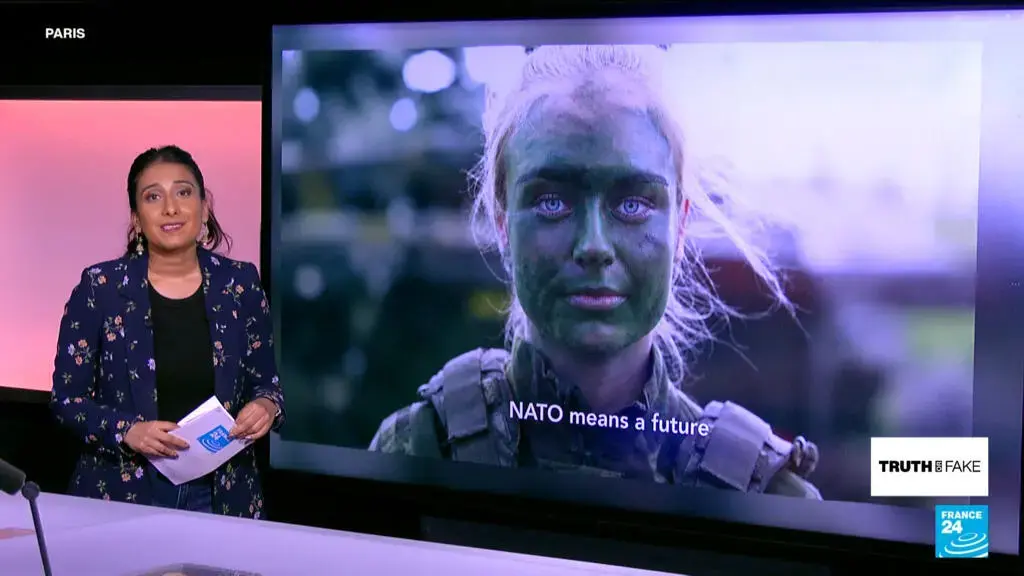
The misunderstanding arose when edited versions of the footage appeared on fringe websites and messaging apps, stripped of their original context and accompanied by claims that NATO was preparing populations for conflict. These altered posts gained traction in regions where distrust of Western institutions is high, prompting users to share them widely without verification. NATO officials stated the video was never intended for public dissemination and had been misused by third parties seeking to amplify geopolitical tensions. Independent analysts noted the ease with which authentic military content can be repurposed in disinformation campaigns, particularly during periods of heightened international strain.
Latest news
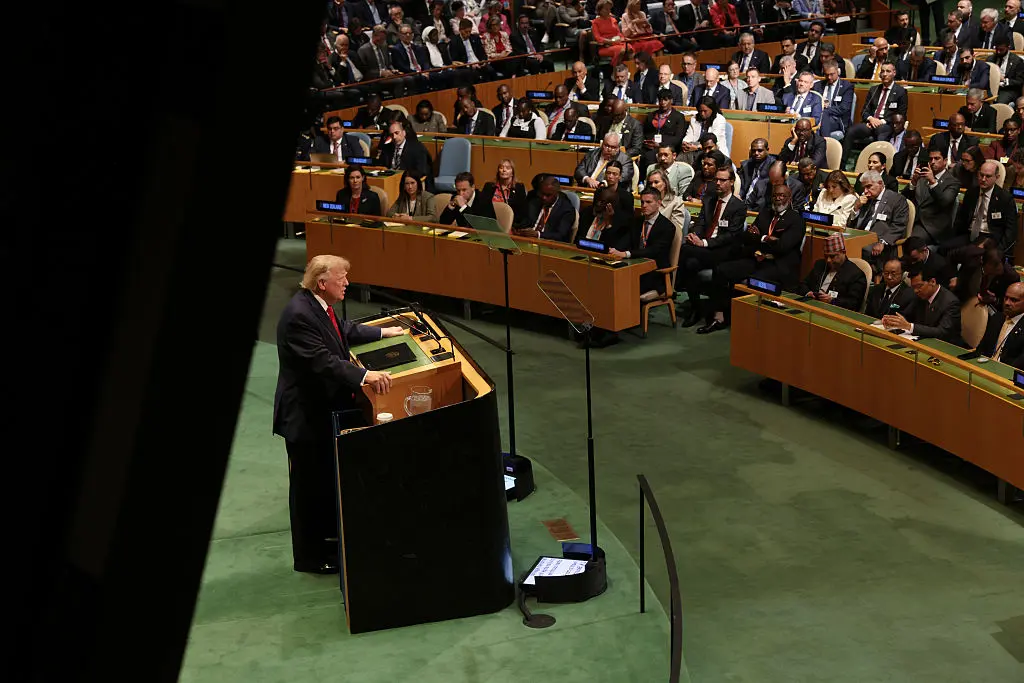 President Trump Declares Force the Path to Peace at UN Assembly
 China’s Clean Energy Exports Surge Amid Iran Conflict, Boosting Xi’s Leverage in U.S. Talks
 Carney Commits $100 Million to Palestinian Aid at
 Family Claims Neglect Led to Death of Costa Rican Detainee in ICE Custody
The original video, recorded during a standard NATO briefing in early 2024, featured officials discussing logistical coordination and defensive readiness in Eastern Europe. When fragments were extracted and reuploaded with dramatic music and provocative text overlays, the narrative shifted entirely. Social media algorithms amplified these versions due to high engagement, despite lacking credible sourcing. Experts warn that such manipulation exploits emotional triggers, making correction difficult even after facts are established. One digital forensics researcher explained that the altered clips contained no verifiable timestamps or official branding, clear indicators of tampering.
The speed at which this misinformation spread highlights vulnerabilities in how audiences process conflict-related content online. During times of war or crisis, users are more likely to accept sensational claims that align with existing beliefs, a phenomenon known as motivated In this case, pre-existing narratives about NATO aggression made the false framing particularly persuasive. Platforms have struggled to label or limit such content in real time, especially when it crosses language barriers or originates from anonymous accounts. Fact-checking organizations reported a surge in similar incidents over the past year, underscoring the persistent challenge of contextual collapse in digital media.
Frequently Asked Questions
Was the NATO video created to provoke public opinion against Russia? No, the video was an internal training clip with no public release intent or propaganda purpose. It discussed routine military coordination and contained no statements targeting any nation.
How did the video become associated with war propaganda? Edited versions were shared online with false captions and added audiovisual effects to suggest a hostile narrative, despite having no basis in the original material.
What steps have been taken to correct the misinformation? Fact-checkers have published detailed analyses explaining the video’s origin and context, while NATO has reiterated that the clip was misused and not authorized for public distribution.