Challenges in Rural County Response Systems
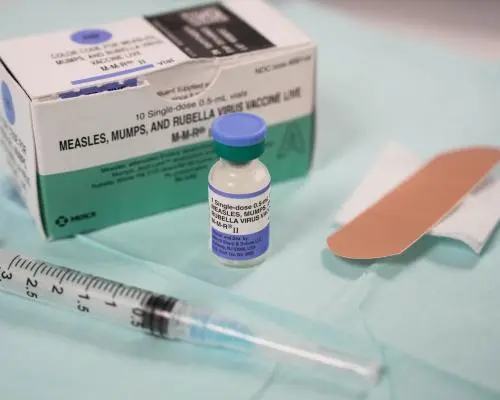
Pennsylvania is bracing for a growing measles outbreak as confirmed cases reach 943 across 39 counties, with five deaths already linked to the virus. Public health officials warn that the spread beyond initial hotspots is likely inevitable given current transmission patterns. Most counties lack dedicated local health agencies, complicating coordinated response efforts. The situation has intensified concerns about vaccine coverage in certain communities where immunization rates remain below protective thresholds. State authorities are mobilizing resources to contain the outbreak while anticipating further geographic expansion in the coming weeks.
Latest news
 UAE Shared Flight Details with Israel After FlyDubai Incident
 Taiwan Says US Policy Remains Unchanged After Trump-Xi Meeting
 Plague Threat Looms in Siberia After Lab Worker’s Death
 Lula and Bolsonaro Cast Votes Amid Brazil’s Polarised Election
Many Pennsylvania counties operate without independent public health departments, relying instead on state-level support during health crises. This structural gap creates delays in case identification, contact tracing, and vaccination deployment, particularly in sparsely populated areas. Officials acknowledge that fragmented local infrastructure hinders real-time data sharing and targeted outreach to vulnerable populations. The absence of county-based health agencies means surveillance systems often react rather than prevent, allowing outbreaks to gain momentum before intervention. Health leaders are now advocating for emergency funding to temporarily bolster staffing in underserved regions amid the rising caseload.
How Are Specific Communities Affected?
Certain demographic groups, including close-knit religious communities and populations with limited access to healthcare, have experienced disproportionate impact during the outbreak. Misinformation about vaccine safety has contributed to lower immunization rates in some areas, creating pockets of susceptibility. Health workers report facing resistance when attempting to engage these communities through traditional public health channels. Tailored communication strategies involving trusted local leaders are being deployed to address concerns and improve vaccine acceptance. Officials stress that overcoming hesitancy requires sustained dialogue rather than top-down mandates, especially in culturally distinct settings where external interventions may be met with skepticism.
The state has activated emergency protocols including expanded vaccination clinics, school exclusion policies for unvaccinated students, and public awareness campaigns. Mobile units are being dispatched to counties with rising case counts to administer measles-mumps-rubella vaccines on-site. Hospitals are implementing isolation procedures for suspected cases to prevent nosocomial spread. Health officials emphasize that achieving herd immunity requires vaccination rates above 95%, a benchmark not currently met in several jurisdictions. They urge residents to verify immunization status and consult healthcare providers about booster eligibility, particularly adults who may have received only one dose historically.
What Measures Are Being Taken to Slow Transmission?
How many measles-related deaths have been confirmed in Pennsylvania? Five deaths have been officially associated with the measles outbreak as of the latest state report, all occurring among individuals with confirmed infections.
Frequently Asked Questions
Why are some counties struggling to respond effectively? A majority of Pennsylvania counties lack standalone public health departments, forcing reliance on state resources that can delay localized interventions during fast-moving outbreaks.
Is the outbreak expected to spread to additional counties? Health officials state that further geographic expansion is considered likely given current transmission trends, though containment efforts aim to slow and eventually halt the virus's spread.