How Does the Drug Work Against the Virus?
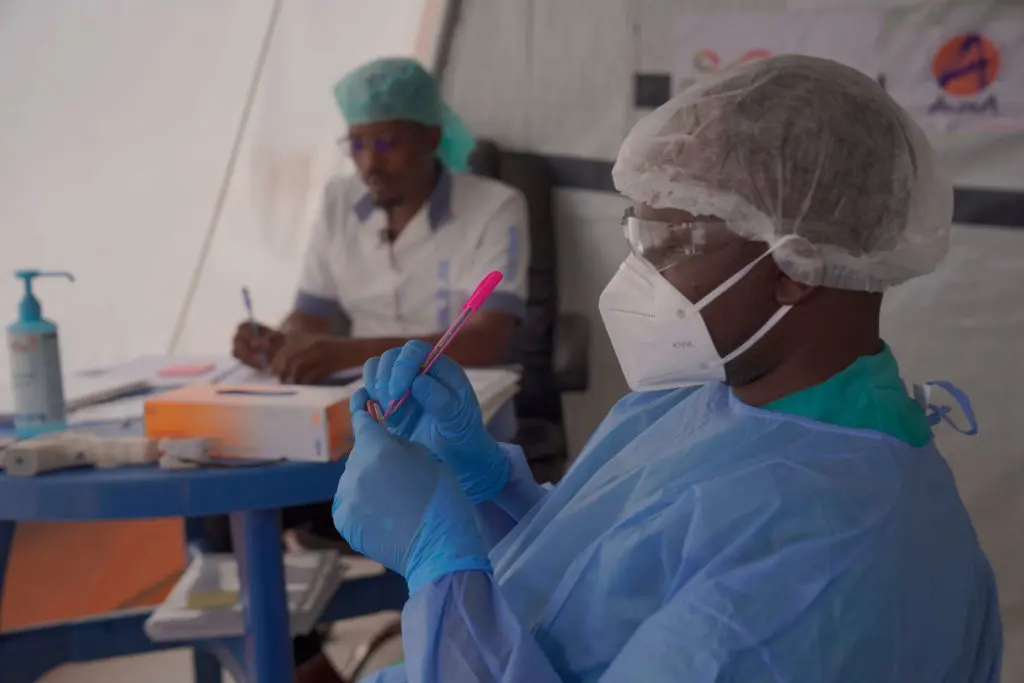
Researchers in the Democratic Republic of Congo are conducting a clinical trial to evaluate an experimental treatment targeting the Bundibugyo virus, a rare but deadly strain of Ebola responsible for past outbreaks in the region. The study, launched amid ongoing efforts to control infectious diseases, aims to determine whether the drug can reduce mortality and improve survival rates among infected patients. Health workers are administering the medication under strict protocols while monitoring outcomes in treatment centers located in affected areas.
Latest news
 UAE Shared Flight Details with Israel After FlyDubai Incident
 Taiwan Says US Policy Remains Unchanged After Trump-Xi Meeting
 Plague Threat Looms in Siberia After Lab Worker’s Death
 Lula and Bolsonaro Cast Votes Amid Brazil’s Polarised Election
The Bundibugyo virus, though less common than the Zaire strain, has caused significant outbreaks in the past, including a notable episode in 2007 that resulted in dozens of fatalities. Unlike more widely studied Ebola variants, Bundibugyo has fewer therapeutic options available, making this trial a critical step in expanding the medical arsenal against the disease. The drug being tested has shown promise in laboratory settings, demonstrating the ability to inhibit viral replication. Researchers emphasize that early administration may be key to its effectiveness, and they are working closely with local communities to build trust and encourage participation in the study.
Can This Treatment Be Used in Future Outbreaks?
The experimental treatment functions by interfering with the virus’s ability to multiply inside human cells, targeting a specific protein essential for its replication process. By blocking this mechanism, the drug aims to slow the spread of the infection, giving the immune system a better chance to respond. Preliminary data from lab tests suggest it may reduce viral load significantly when given soon after symptom onset. Scientists caution, however, that human trials are necessary to confirm both safety and efficacy outside controlled environments.
If the trial yields positive results, the drug could become a valuable tool not only for treating current cases but also for stockpiling in preparation for future Bundibugyo-related epidemics. Health officials note that having a range of effective countermeasures increases resilience against unpredictable viral threats. Success in this study might also pave the way for broader research into therapies effective across multiple Ebola strains, potentially simplifying response strategies during complex outbreaks.
What is the Bundibugyo virus and why is it dangerous? The Bundibugyo virus is one of several species of Ebolavirus capable of causing severe hemorrhagic fever in humans. Though less frequent than other strains, it has triggered deadly outbreaks with fatality rates ranging from 25% to over 50% in past incidents, posing a serious public health concern.
Frequently Asked Questions
How is the clinical trial being conducted in Congo? The trial is being carried out in designated Ebola treatment centers where infected individuals receive the experimental drug under medical supervision, with their health closely monitored for signs of improvement or adverse effects. Participation is voluntary, and informed consent is obtained from patients or their families.
Why focus on this particular strain of Ebola? While much research has centered on the Zaire strain due to its role in major epidemics, the Bundibugyo virus remains a persistent threat with limited treatment options, making targeted studies essential to close gaps in preparedness and save lives during future outbreaks.