Trump, speaking shortly before Carney’s comments, laughed off the associate
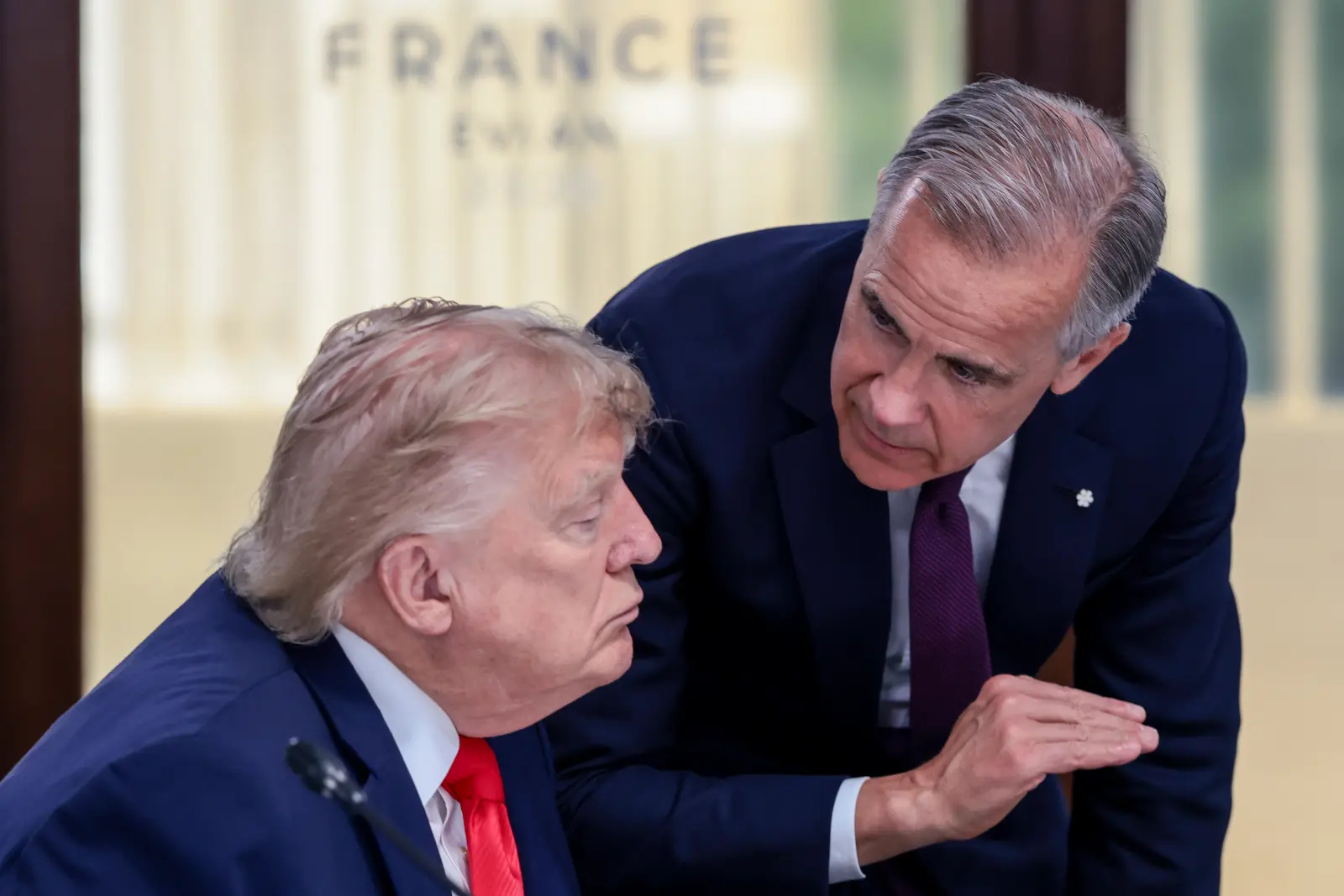
Canadian Prime Minister Mark Carney stated that Canada and the European Union are not allies in facing shared weather challenges, while U. S. President Donald Trump dismissed the idea of Canada joining the EU as an associate member as laughable. The remarks came during the G7 summit in France on June 16, 2026, where both leaders addressed growing tensions over trade, climate policy, and transatlantic relations. Carney emphasized that while cooperation exists, structural alignment on environmental resilience remains limited. Carney clarified that his vision for closer ties with the EU does not aim to create a third bloc to rival the United States, but rather to pursue practical collaboration with better diplomatic manners. He rejected the notion that Canada seeks to counterbalance U. S. influence through EU affiliation, stressing instead the importance of sovereign decision-making.
Latest news
 Space Security Landscape Deteriorates Rapidly Amid New US Deployments
 Wife of US Scholar Detained in China Urges Trump to Address Case During Summit
 Palestinian Man Dies in Israeli Custody After Year of Administrative Detention
 Sweden's Centre-Left Coalition Wins Election as Right-Wing Bloc Narrowly Defeated
Trump, speaking shortly before Carney’s comments, laughed off the associate membership idea, calling it unrealistic and suggesting it would undermine NATO unity. The exchange highlighted divergent views on how North American and European powers should navigate global instability. Why Weather Cooperation Remains Limited Between Canada and EU Carney pointed out that despite shared concerns about extreme weather events, Canada and the EU operate under different climatic zones and emergency response frameworks, making deep integration impractical. He noted that while both face rising flood risks and heatwaves, their adaptation strategies are shaped by distinct geographic and infrastructural realities. The Canadian leader argued that forcing alignment could dilute local effectiveness, preferring instead targeted information sharing over institutional mergers.
This stance reflects Ottawa’s broader caution about overextending diplomatic
This stance reflects Ottawa’s broader caution about overextending diplomatic commitments in multilateral forums. Could Associate Membership Undermine North American Solidarity? Trump warned that any move toward EU associate status for Canada could fracture long-standing alliances, particularly within NATO and the USMCA trade bloc. He suggested such a step might signal a strategic shift away from Washington, even if framed as economic cooperation. Carney countered that Canada’s foreign policy remains anchored in North American partnerships, and that engaging with the EU does not require choosing sides. Analysts noted the debate underscores growing unease over how middle powers balance autonomy with alliance obligations in an era of great power competition. Frequently Asked Questions What did Mark Carney mean by saying Canada and the EU are not „weather allies”?
Carney meant that while both regions face climate-related challenges, their differing weather patterns, geographic vulnerabilities, and national response systems prevent them from being natural partners in coordinated meteorological or disaster resilience efforts at a systemic level. Why did Donald Trump call the EU associate membership idea „laughable”? Trump dismissed the proposal as unrealistic and potentially damaging to transatlantic unity, arguing it could weaken NATO and signal a geopolitical realignment that undermines U. S. leadership in North America and Europe. Does Canada plan to leave USMCA or NATO to pursue closer EU ties? No, Carney explicitly stated that pursuing associate status with the EU does not imply abandoning existing North American alliances, and that Canada’s core commitments to USMCA and NATO remain unchanged.