Security Fears Dominate Electoral Discourse
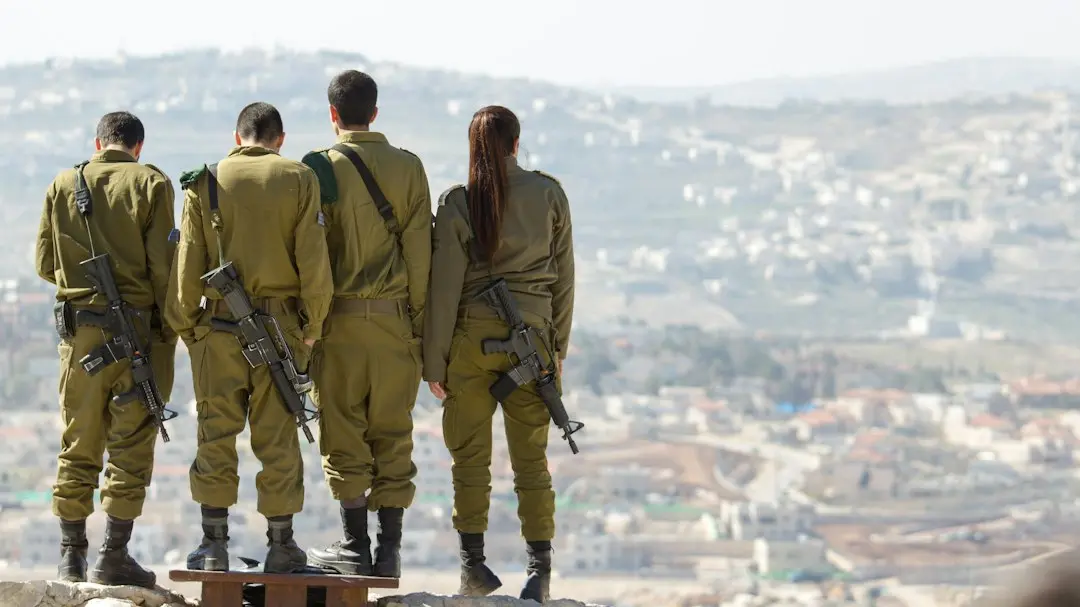
Although feelings of protection appear at record highs, security fears remain at the heart of electoral debates. Upcoming general elections coincide with the third anniversary of the October 7 attacks, and voter concerns are directly or indirectly tied to the wars triggered by that traumatic event. Ultra-Orthodox distrust of mandatory military service, an economy affected by conflict, and questions about blame for the Hamas-led assault dominate the political agenda.
Latest news
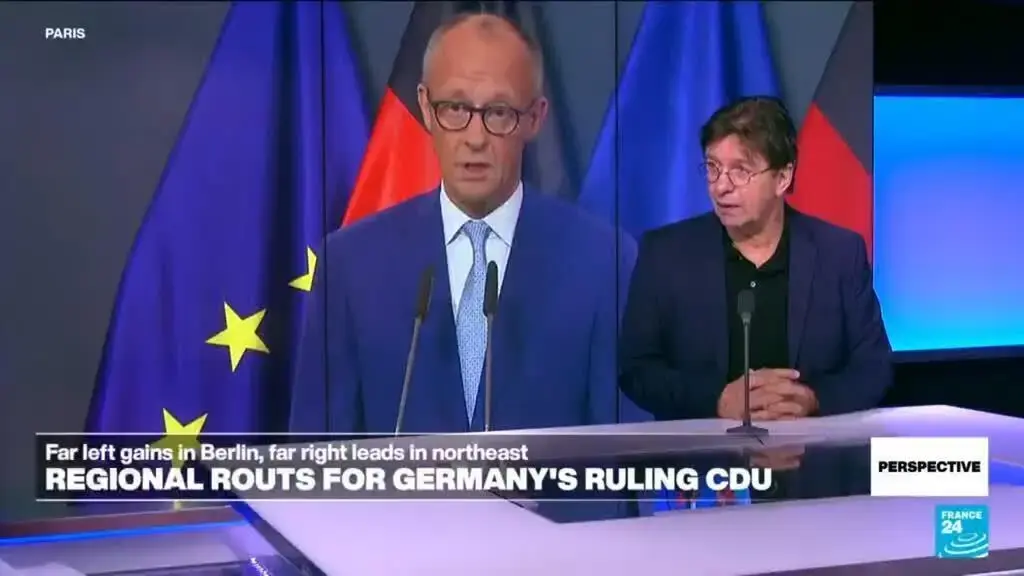 Professor Warns German Far‑Right Leader Is in a Precarious Spot
 Georgescu Detained on Fraud Charges After Presidential Bid
 EU Faces Deadlock Over French Push to Remove Russian Billionaire From Sanctions List
 Greek Stock Market Joins Global Elite Exchanges After Decade of Debt Crisis
Ongoing Conflicts and Regional Impact
Since the war considered genocidal against Gaza began, security issues have monopolized Israeli public discourse for three years, during which the state has killed over 73,000 Palestinians. The conflict has also led to exchanges of fire between Israel and Houthi rebels in Yemen, bombardment of Syrian and Lebanese neighbors, occupation of their territories, and participation alongside the United States in at least two major offensives against Iran, widely seen as the country's main enemy.
Public Anxiety Amid Constant Reminders
For a population still shocked by the October 2023 events, accompanied by a chorus of public figures warning of imminent state destruction, it has been rare for a day to pass without Israelis being reminded that their nation is engaged in conflict. Israeli politicians, eager for votes, have shown willingness to place this theme at the forefront of their electoral campaigns.
Ayala Panievsky, lecturer at the Faculty of Politics and Journalism at City St George's, University of London, and author of The New Censorship,stated that national security has always been a primary concern for Israeli voters and will remain so in these elections, with other issues usually secondary. Even when some parties tried to shift focus to the economy or any other issue, it did not work. It is too existential in a country at war and in conflict, and now, after the trauma of October 7, it is even stronger, Panievsky told Al Jazeera. To this day, Israelis do not feel safe in the face of future Hamas or Hezbollah attacks, or a nuclear threat from Iran. None of these fronts has ended in victory for Israel.
Expert Views on National Security
Despite the grand promises of Trump and Netanyahu, no threat has been eliminated. Assessments of Regional Threats Behind appearances, although global fury over the Gaza genocide and unilateral strikes against regional states continues, many believe Israel has never been more secure. Israeli Prime Minister Benjamin Netanyahu has maintained since the 1990s that Iran was on the verge of obtaining nuclear weapons. Today, some analysts consider Iran's economy and military extremely exhausted and fully absorbed in its conflict with the United States. Former Syrian President Bashar al-Assad has been removed, Hezbollah struggles to resist Israeli attacks in southern Lebanon, while Hamas's military capabilities have been significantly reduced. Yemen's Houthis, although they have achieved significant gains on the Red Sea coast, are now fully focused on fighting government forces and launching rockets toward Saudi Arabian cities, not Israeli ones.
Analysts Note Shift in Threat Dynamics
Some analysts point out that although these groups still exist and, in some cases, are stronger, they are now involved in internal problems or managing their own survival, rather than planning attacks against Israel. „An objective military assessment would indicate that, overall, Israel is safer after nearly three years of war,”said Ahron Bregman, Israeli security analyst and senior researcher at King's College London. This perspective suggests a paradigm shift in risk perception, where adversary fragility offers a greater margin of maneuver, even if tensions remain high across multiple fronts.