What Are Students Protesting Against?
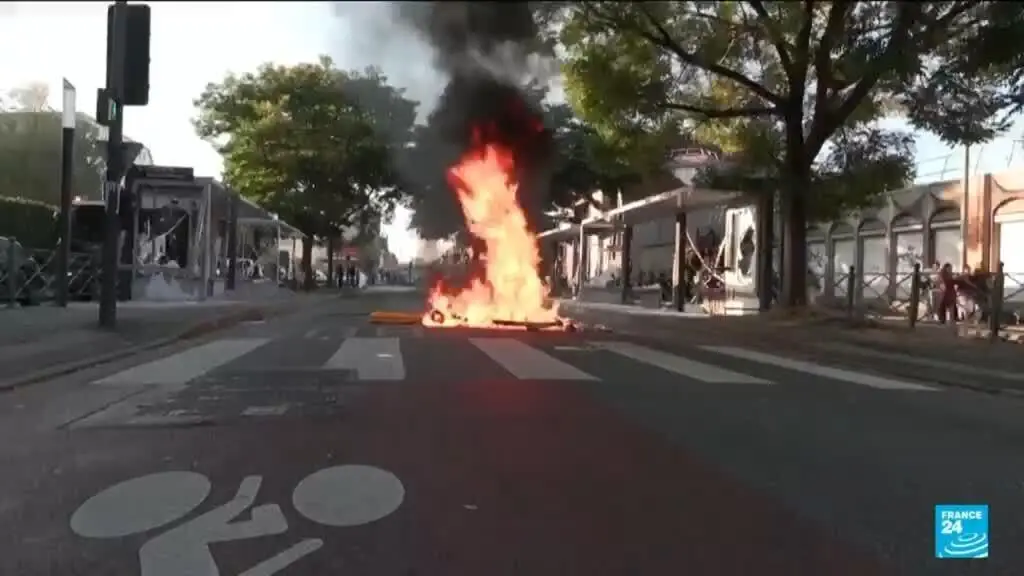
French high schools saw widespread class suspensions on Monday as part of an ongoing wave of student protests against government education reforms. Hundreds of schools across the country reported disruptions, with students walking out of classrooms to voice their opposition. The demonstrations, which began last week, have grown in size and intensity, reflecting deepening concerns among youth about proposed changes to the baccalaureate system and university access. Organizers say the movement is driven by fears that reforms will increase inequality and limit opportunities for students from disadvantaged backgrounds.
Latest news
 Ofsted Reports Shape School Choice in England
 Flávio Bolsonaro Surprises with 47% in Brazil’s Presidential Runoff
 Bab al-Mandab Strait Claimed Secured by Yemeni Forces
 UK Government Confirms RAF Fairford Security After US Bomber Withdrawal
Students are primarily opposing reforms that would alter the structure of the national baccalaureate exam and introduce selective admissions for certain university programs. Critics argue these changes favor wealthier students who can afford private tutoring and preparation, undermining the principle of equal access to education. Teachers’ unions have also voiced support, citing concerns about increased workload and reduced resources for public schools. The protests have drawn participation from students in both urban and rural areas, indicating a broad-based movement rather than isolated incidents.
How Will the Protests Evolve in the Coming Days?
Organizers have called for larger demonstrations on Tuesday, expecting increased turnout as more schools join the action. While most protests have remained peaceful, authorities have warned against any escalation that could disrupt public order. Police presence has been heightened around major school districts, though officials say they aim to avoid confrontation. Student representatives have emphasized their commitment to nonviolent action, stating that their goal is to be heard through sustained, organized pressure rather than disruption. Negotiations with the Ministry of Education remain stalled, with officials insisting the reforms are necessary to improve academic standards and reduce failure rates in higher education.
What specific changes are students protesting? Students are opposing reforms to the baccalaureate exam structure and proposed selective university admissions, which they believe will favor wealthier applicants and deepen educational inequality.
Frequently Asked Questions
Are teachers involved in the protests? Yes, teachers’ unions have expressed support for the student movement, citing concerns about increased workloads, inadequate resources, and the potential negative impact of reforms on public education quality.
Will the protests lead to policy changes? It remains uncertain. While the government has shown no sign of withdrawing the reforms, sustained pressure from students and educators could prompt negotiations or adjustments in the coming weeks.