Why the Veto Power Is Blocking Lifesaving Interventions
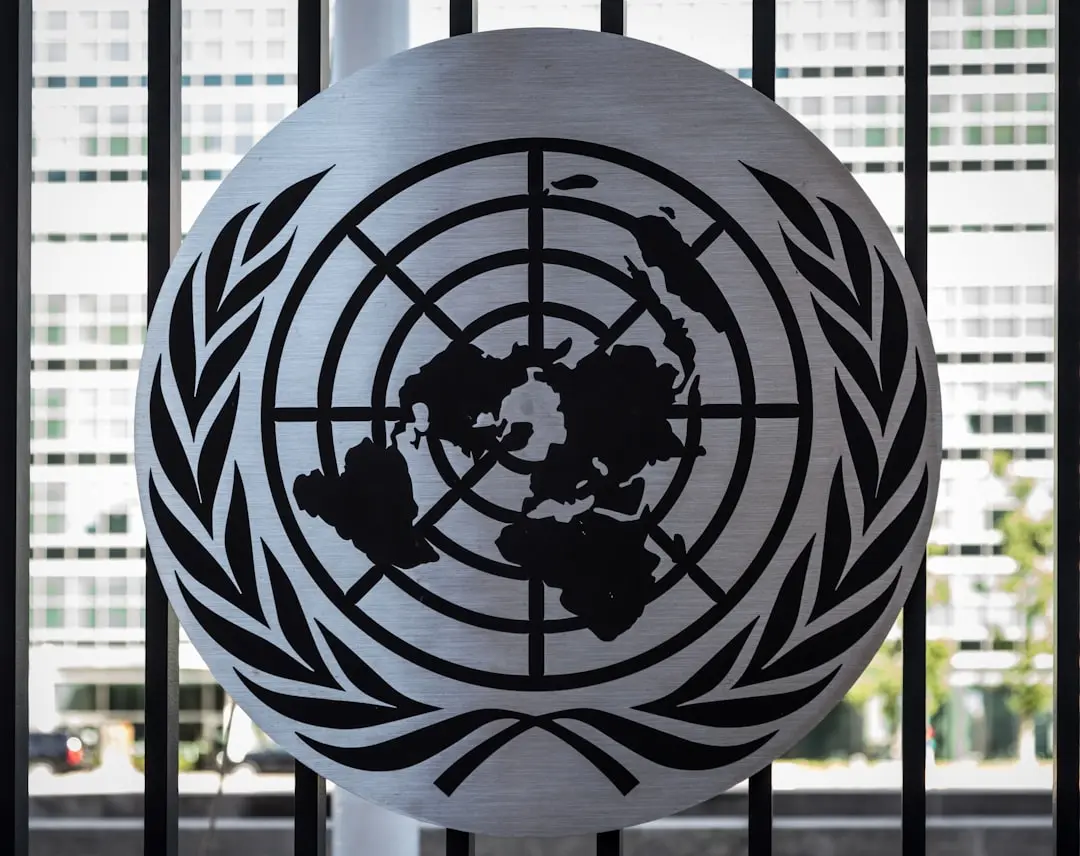
UN Secretary-General António Guterres warned on Tuesday that deepening geopolitical rifts among major powers are rendering the UN Security Council ineffective in addressing pressing global crises, calling for urgent reform of the body’s structure and working methods. Speaking via social media and in prepared remarks, Guterres highlighted how divisions between permanent members, particularly over conflicts in Ukraine, Gaza, and Sudan, have led to repeated vetoes and institutional gridlock. He emphasized that the Council’s inability to act decisively undermines the credibility of the entire United Nations system and leaves vulnerable populations without protection. The Secretary-General stressed that reform is no longer optional but essential to restore the Council’s capacity to maintain international peace and security.
Latest news
 IMF Cuts Australia Growth Forecast Amid Rate Hike Warnings
 Nicaraguan Exile Journalist Luis Galeano Detained by U.S. ICE in Florida
 Congress Passes Bill Granting Trump Expanded Sanctions Authority
 AI pioneer Yoshua Bengio warns of imminent crisis
Guterres pointed to the veto authority held by the five permanent members—China, France, Russia, the United Kingdom, and the United States—as a central obstacle to timely action. He noted that in recent years, vetoes have been used not to prevent flawed resolutions but to shield allies or advance strategic interests, even when humanitarian catastrophes unfold. For example, multiple draft resolutions calling for ceasefires in Gaza were blocked, delaying aid and prolonging civilian suffering. The Secretary-General argued that the current use of the veto contradicts the spirit of the UN Charter and erodes public trust in multilateralism. He urged member states to reconsider how this privilege is exercised, suggesting that restraint in veto use could be a first step toward meaningful change without requiring Charter amendment.
Can Regional Voices Break the Deadlock?
Guterres also advocated for greater inclusion of non-permanent members and regional perspectives in Council deliberations, arguing that diverse input could help overcome partisan stalemates. He cited past instances where elected members played crucial mediating roles during Cold War tensions, suggesting that revitalizing their influence might restore balance. The Secretary-General proposed improving transparency in consultations and expanding briefings from affected communities and civil society to ground decisions in reality. While acknowledging that structural reform faces political hurdles, he maintained that procedural improvements and shifts in behavior could yield immediate benefits. Guterres concluded by warning that continued inaction risks making the Security Council irrelevant in an era demanding coordinated global responses to war, climate disruption, and pandemics. Frequently Asked Questions What specific reforms is Guterres proposing for the Security Council?
He is calling for urgent changes to working methods, including greater transparency, more meaningful participation from elected members, and restraint in the use of the veto, though he did not specify Charter amendments. How have geopolitical divisions recently affected Security Council decisions? Divisions among permanent members have led to repeated vetoes on resolutions concerning Gaza, Ukraine, and Sudan, preventing timely responses to humanitarian crises and conflicts. Is the Secretary-General suggesting removing the veto power? No, Guterres did not call for abolishing the veto but urged its responsible use and emphasized that reform can begin through changes in practice and Council dynamics.