Risks of Leveraged Debt Strategies
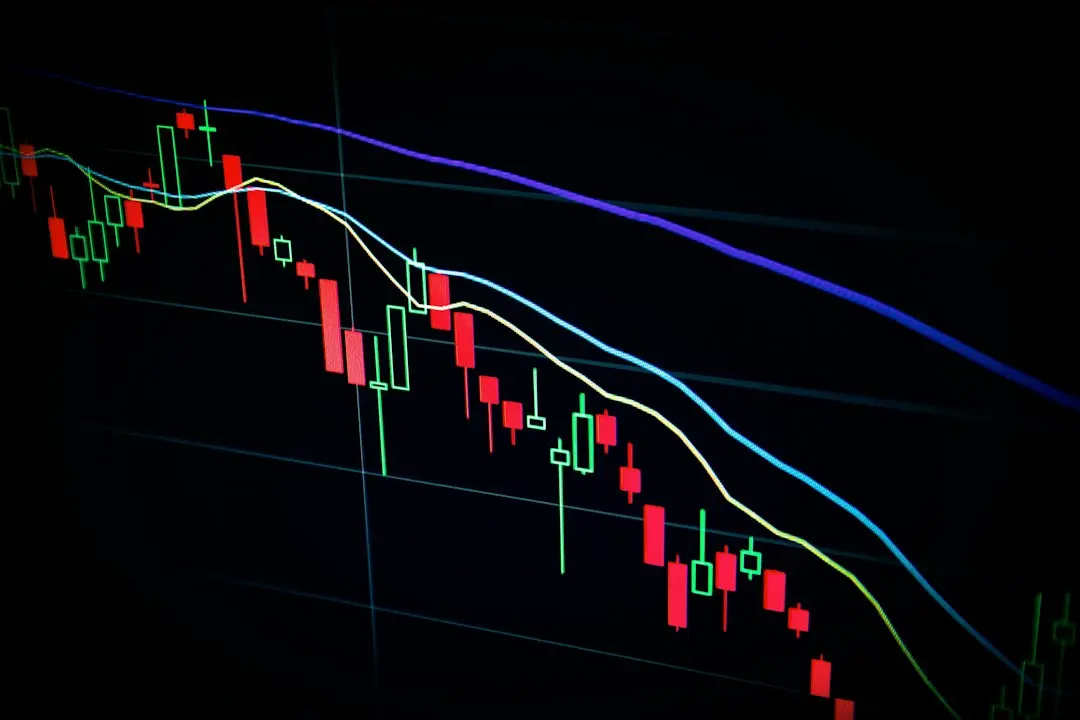
Hedge funds reached a historic milestone by the end of 2025, controlling 7% of the massive $30 trillion U. S. Treasury market. This record-breaking expansion positions these private investment vehicles as dominant players in global government debt. Regulators are now closely monitoring how this concentration of ownership influences overall market stability and liquidity.
Latest news
 G20 Trade Ministers Gather in Wisconsin Amid Tariff Tension
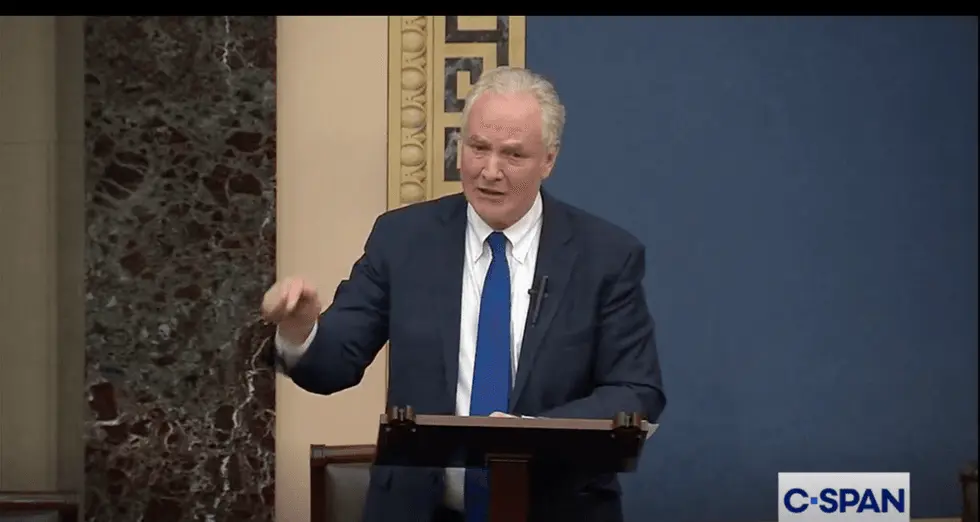 Senate Democrats Unite to Push for West Bank Violence Report
 Sandino's Rebellion Against U.S. Occupation Begins in Nicaragua
 Diesel Surpasses Gasoline as Europe's Most Expensive Fuel
The surge in holdings stems largely from the popularity of basis trades. These strategies involve exploiting small price differences between Treasury cash markets and futures contracts. By using significant leverage, firms amplify their positions to generate returns from these narrow gaps. While this activity adds volume, it also creates complex interdependencies within the financial system.
Financial authorities remain concerned that high leverage levels could trigger rapid market instability. If a sudden shift in interest rates occurs, hedge funds might be forced to liquidate their positions simultaneously. Such a mass exit could drain liquidity from the Treasury market exactly when the government needs it most.
Could This Concentration Trigger a Systemic Crisis?
The interconnected nature of these trades means that a failure at one major firm could ripple across the entire sector. Because these funds rely heavily on borrowed capital, even minor market volatility can lead to margin calls. These demands for cash often force managers to sell assets quickly, further depressing prices during periods of stress.
The sheer scale of these holdings complicates the Federal Reserve’s ability to manage market volatility. If hedge funds become the primary source of liquidity, the market becomes vulnerable to their specific risk appetites. When these private actors pull back, the Treasury market could face severe disruptions that impact borrowing costs for the U. S. government.
Frequently Asked Questions
Looking ahead, regulators are weighing stricter oversight to prevent a potential liquidity crunch. The goal is to ensure that the Treasury market remains functional even if hedge funds decide to reduce their exposure. Without intervention, the reliance on these highly leveraged strategies may continue to pose a structural threat to global finance.
What is a basis trade? A basis trade involves buying Treasurys while simultaneously selling related futures contracts. Traders profit from the small price discrepancies between these two instruments.
Why are regulators worried about hedge funds in this market? Regulators fear that high leverage makes these funds prone to sudden, forced asset sales. If many funds sell at once, it could cause a liquidity crisis in the Treasury market.