PTI’s Claim: A „State Coup” Against Democracy
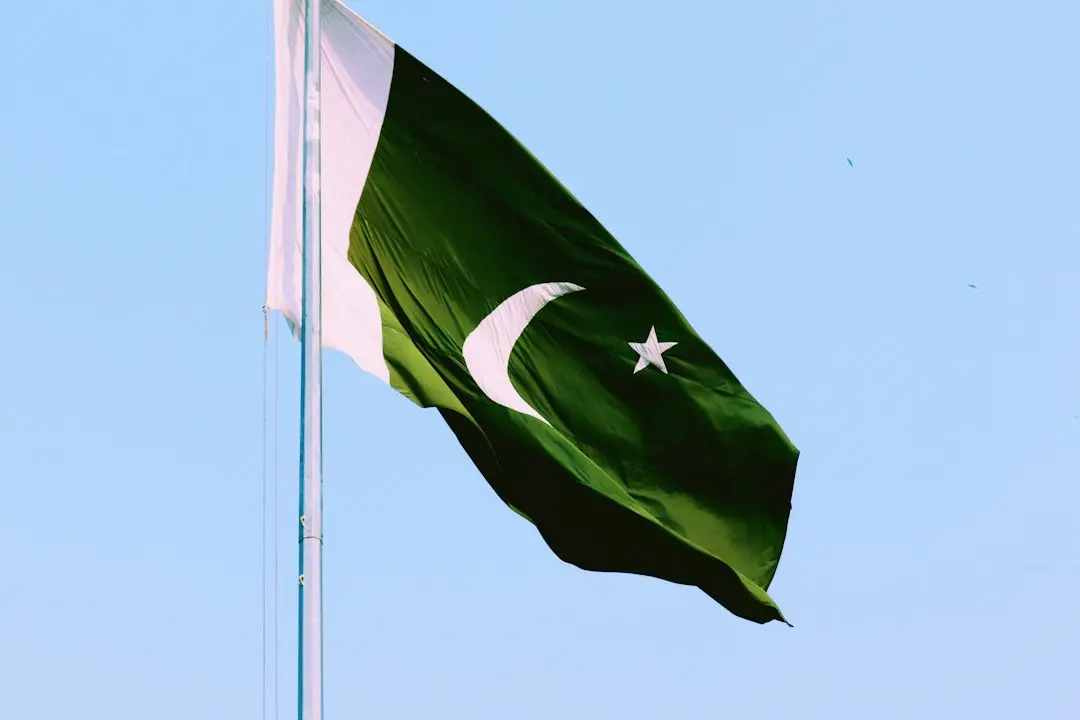
Supporters of Pakistan Tehreek-e-Insaf (PTI) gathered in Karachi on Tuesday to protest the federal government’s decision to suspend the province’s administration. The move, announced on Monday, extends the suspension by an additional week, intensifying tensions between the ruling party and PTI, which has been in opposition since Imran Khan was ousted in 2022.
Latest news
 Economic Frustration Drives Washington to Step Up Market Intervention Post‑Midterms
 Congress Can Do More to Address Kushner’s Conflicts of Interest
 Nobel Prize-Winning Economists Hall and Woodford Recognized for Central Bank Research
 Cyprus Nears Schengen Membership Despite Political Hurdles
The protest, organized by PTI’s local affiliates, called for the release of Imran Khan, who is currently in custody on corruption charges. Demonstrators carried banners demanding an end to what they describe as a „political coup.” The march attracted thousands of participants, many of whom wore the party’s green shirts and waved flags bearing the party’s emblem. Police maintained a tight cordon around the central square, but no major incidents were reported.
How the Suspension Affects Governance in Sindh
PTI leaders have labeled the federal move a „state coup” and warned that it threatens Pakistan’s democratic institutions. The party’s spokesperson, Hafiz Saeed, said the suspension was „an attempt to sideline the opposition and consolidate power.” He added that the government was „using the guise of security” to destabilize the political landscape. PTI’s narrative frames the action as part of a broader pattern of executive overreach that began when the military-backed cabinet took control of the provincial assembly in 2022.
The protests also highlighted PTI’s grievances over the treatment of its members. Several party officials have been detained since the last vote of no confidence, and the party alleges that these arrests are politically motivated. PTI’s legal team has filed a petition in the Supreme Court, arguing that the suspension violates constitutional provisions that protect provincial autonomy.
What Happens if PTI Wins the Court Battle?
Sindh, Pakistan’s third‑largest province, has seen its administrative machinery grind to a halt since the federal government imposed the suspension. The provincial cabinet, led by the Pakistan Peoples Party, was dissolved in 2022 after a no‑confidence motion. Since then, the governor has been acting as the de facto head of the province, making decisions that have stalled public services. Critics argue that the suspension exacerbates already high levels of corruption and mismanagement.
The federal government claims that the suspension is necessary to „ensure law and order.” It cites allegations of widespread corruption and misappropriation of funds by the provincial administration. However, PTI counters that the accusations are fabricated and that the real motive is to suppress dissent. The ongoing legal battle in the Supreme Court could delay the restoration of normal governance for months, potentially affecting infrastructure projects and public health initiatives.
Frequently Asked Questions
If PTI succeeds in the Supreme Court, the suspension could be lifted, and the provincial government might be reinstated. This would restore the elected cabinet’s authority and potentially ease the current political crisis. Conversely, a ruling against PTI would cement the federal government’s control over Sindh, potentially leading to further unrest. The outcome will likely influence Pakistan’s upcoming general elections, where PTI is positioning itself as a major contender against the ruling coalition.
The protests continue as PTI rallies for a broader political reform, demanding the removal of what it calls „political intimidation.” The situation remains fluid, with both sides preparing for a possible escalation.