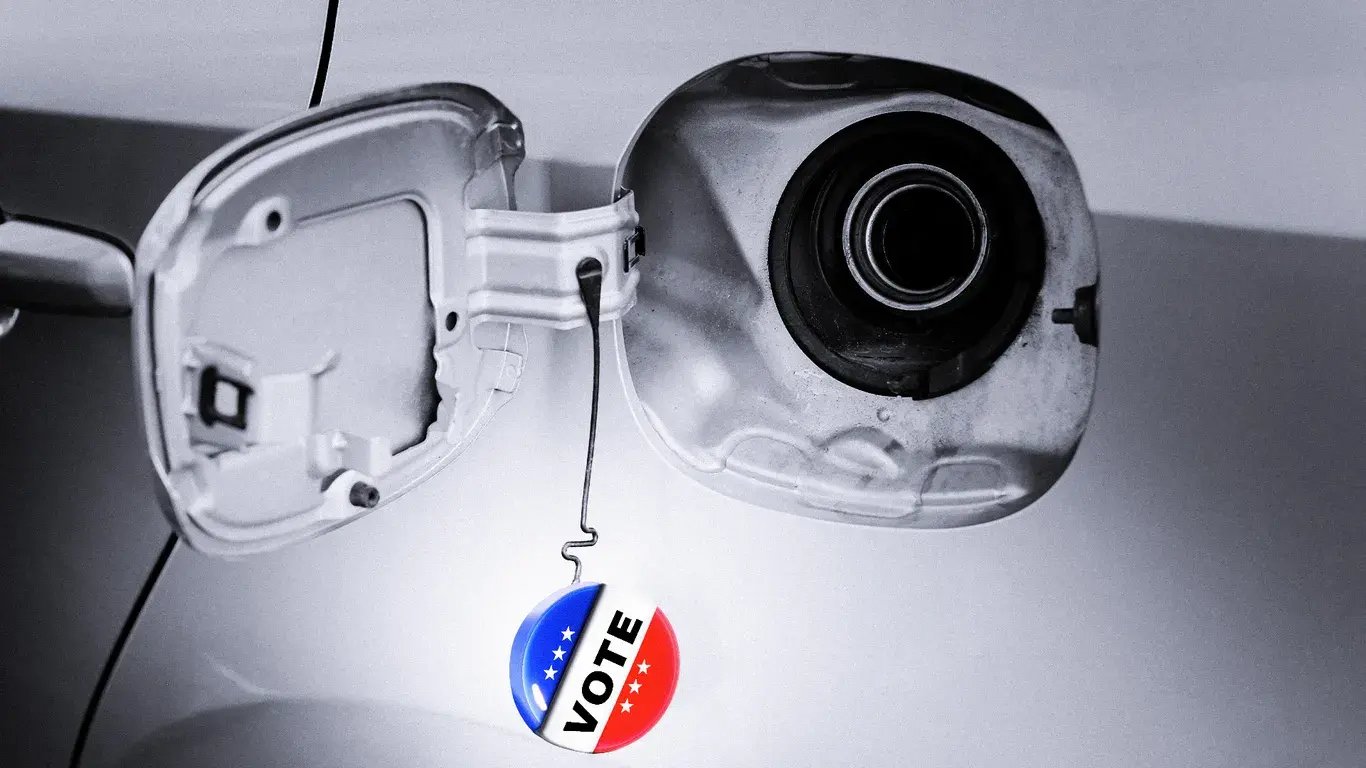
Gasoline Prices and Voter Frustration
Fuel costs dominated the campaign trail. Election night results measure voter frustration with energy prices. This metric reveals how much economic pain drives voting behavior.
Latest news
 French judges open war crimes probe into Israeli strike that killed seven in Beirut
 Live Results: Mississippi Senate Midterm Election 2026
 Live Results: Florida Senate Midterm Election
 Indonesia demands Russia halt recruitment of its citizens for Ukraine war
Data Center Policy Divides the Parties
Sharp differences exist between parties on data center policy. Data Center Watch data shows 32.4% of Democratic candidates support federal, state, or local moratoriums. Only 3.4% of Republican candidates share this position. Ballotpedia tracks dozens of legislative proposals restricting these facilities.
Ohio as a Policy Flashpoint
Ohio is a key battleground for these debates. Election outcomes will shape the legislative session dynamics. The future of the bipartisan permitting agreement hangs in the balance.
Scenario Analysis: Who Controls Congress?
If Democrats win both chambers, leaders may wait until they hold legislative power next year to renegotiate compromises. ClearView Energy Partners notes this strategic delay. Supporters of the current law argue waiting for political space to draft a freer bill is a mistake. Such a bill could be signed by President Trump or pass the Senate.
Close Results and Post-Election Conflicts
ClearView highlights that if Trump and allies contest close results, weeks of post-election conflicts could complicate any new energy legislation. Exit polls, while not perfectly accurate, serve as a barometer for voter concern about data centers.
Progressive vs. Moderate Democrats
Track the relative performance of progressive versus moderate Democrats. If moderates outperform expectations, it signals that aggressive climate policies are falling out of favor within the party.
The 2028 Presidential Cycle
Consider Governor Josh Shapiro (D) of Pennsylvania. A stronger-than-expected victory would consolidate the position of centrist candidates who accept oil and natural gas. This could impact the 2028 cycle, where Shapiro himself might run for President.
Legislative Opportunities and Limitations
Regardless of which party controls Congress, expect few opportunities for major new energy laws if the permitting process stalls. However, positioning bills for the 2028 race will not be absent. Senate Democratic Leader Chuck Schumer (N. Y.) has committed to restoring clean energy tax credits. These were repealed by the 2025 Republican budget law.
Nuclear and Geothermal Prospects
Chances for common ground on nuclear and geothermal energy remain limited. The Senate’s broad permitting bill contains bipartisan proposals for geothermal energy. These have already passed the House of Representatives.
State Utility Commissions and Governor Races
Several states hold elections for utility commissioners. These officials exert strong control over energy prices and planning. Georgia is a key watch item. Two Democratic wins would shift control of the state Public Service Commission for the first time in decades.
Governor Races and Energy Policy
Governor race winners will have a decisive say in energy policy. This ranges from oil and gas development to electricity pricing. S&P Global provides insight into energy differences across governor races.
Texas: A Critical Battleground
Texas is a major friction point. Oil and gas interests support incumbent Governor Greg Abbott (R). He faces a surprisingly tight race against Gina Hinojosa. This contest highlights the political stakes of energy policy in the state.