A New Era for Defence Spending?
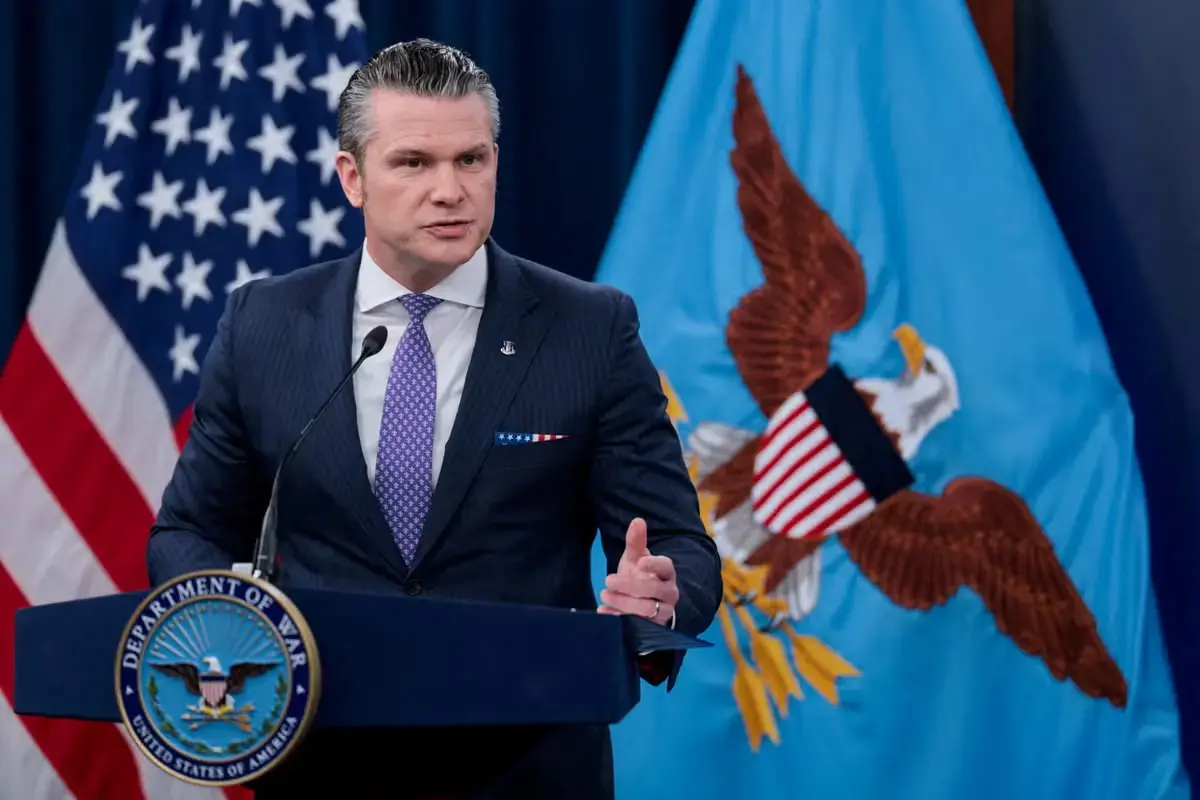
The US House of Representatives has passed a defence bill with a record $1.15 trillion spending request, renaming the Department of Defence to Department of War. This move occurred on Wednesday, marking a significant shift in the annual National Defense Authorization Act.
Latest news
 UNIQA Insurance Reports 8% Premium Growth but 8% Profit Decline in First Half 2026
 Australia Seeks Tech Giant Help to Bolster Online Safety and AI Rules
 Iran Sets Seven Conditions for US Talks as Saudi Forces Thwart Riyadh Attack
 Former Syrian General Arrested Over Civil War Operations
The legislation is a departure from the typically bipartisan nature of the annual defence bill, sparking debate among lawmakers. The proposed rename and massive spending request are key points of contention.
The $1.15 trillion spending request is a substantial increase, reflecting the current global security landscape. Proponents argue it is necessary to maintain US military superiority. Critics, however, question the need for such a large expenditure.
Is this a Shift in Military Policy?
The rename from Department of Defence to Department of War is also a contentious issue. Supporters claim it better reflects the department's role, while opponents argue it is a step backward. The change is seen as a nod to the department's historical roots.
The passage of the bill with the rename and increased spending may signal a shift in US military policy. It could indicate a more aggressive stance, with potential implications for global security.
The consequences of this bill, if passed into law, could be far-reaching. It may lead to increased tensions with other nations and a significant escalation in defence spending.
Frequently Asked Questions
What is the proposed defence spending amount? The proposed defence spending amount is $1.15 trillion. This is a record request. It reflects the current global security landscape.
Why is the Department of Defence being renamed? The Department of Defence is being renamed to Department of War. It is a contentious issue among lawmakers.
What are the potential implications of this bill? The bill may signal a shift in US military policy. It could lead to increased tensions with other nations. The consequences could be far-reaching if passed into law.