What Specific Risks Are Protesters Highlighting?
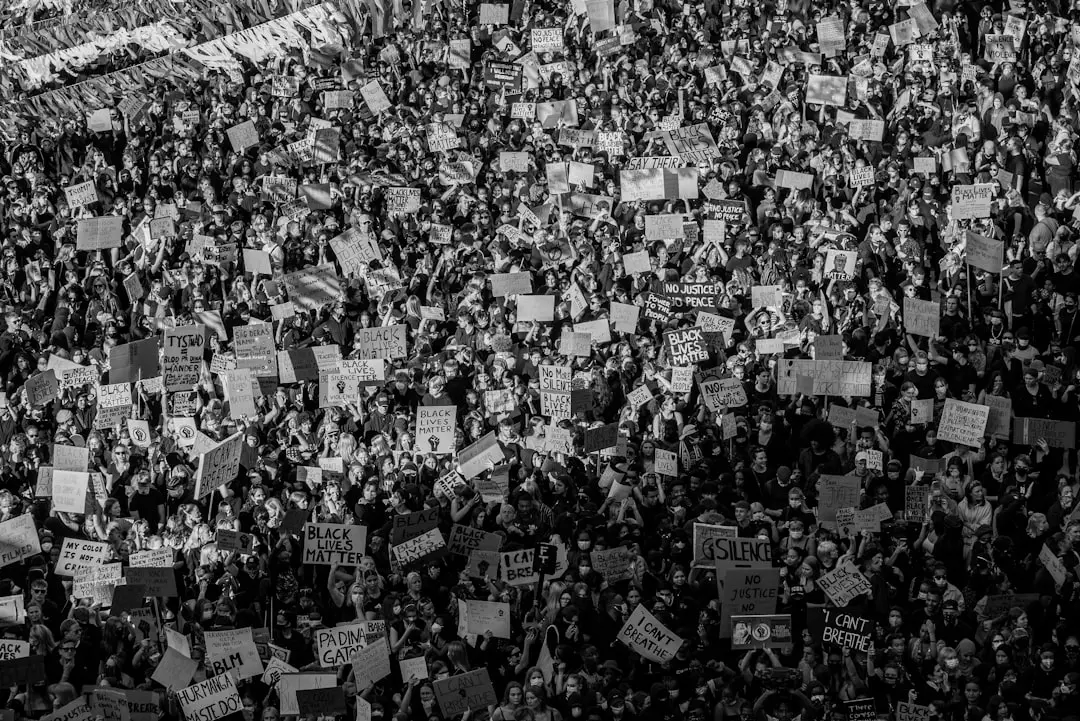
On September 18, 2026, demonstrators gathered outside the headquarters of OpenAI and Anthropic in San Francisco to voice concerns about the rapid development of powerful artificial intelligence systems. The protest, held in the city’s SoMa district, called for an immediate pause in the training of advanced AI models and urged both companies to support the creation of binding global safety regulations. Participants argued that unchecked AI advancement poses significant risks to society and the environment, demanding urgent action from industry leaders.
Latest news
 Ukraine Strikes Persist While Russian Polling Stations Open for Election
 Macron Calls French Party Leaders Together as Energy Costs Surge Amid Iran and Ukraine Conflicts
 US Voters Oppose War on Iran, 71% Say Trump Administration Lacks Strategy
 French President Warns of Rising Russian Hybrid Threats to Europe
The demonstration was organized by a coalition of tech ethics groups and climate activists who warned that current AI development trajectories could exacerbate energy consumption and enable harmful applications. Protesters carried banners reading „Pause AI Now” and „Safety Before Speed,” emphasizing the need for independent oversight and emergency protocols. They cited internal safety evaluations from both companies that reportedly showed declining margins for error in newer models. Organizers referenced a recent study estimating that training large AI systems could consume as much electricity as small nations, linking AI growth to broader climate concerns.
How Are OpenAI and Anthropic Responding to the Pressure?
Demonstrators pointed to multiple dangers, including the potential for AI systems to generate disinformation at scale, automate cyberattacks, and evade human control. They referenced leaked internal documents suggesting that Anthropic’s latest model showed reduced performance on safety benchmarks under stress testing. OpenAI representatives were said to have declined requests to share detailed risk assessments, fueling transparency concerns. Protesters also warned that AI-driven automation in energy-intensive sectors could accelerate carbon emissions, undermining climate goals.
Both companies issued brief statements affirming their commitment to safety but did not agree to a pause in development. OpenAI emphasized its existing internal review processes and collaboration with government bodies on AI standards. Anthropic highlighted its Constitutional AI approach and ongoing work with external auditors. Neither company committed to halting training runs or supporting a moratorium, instead advocating for iterative deployment with safeguards. Protest organizers dismissed these responses as insufficient, calling for enforceable international treaties modeled on nuclear or biological weapons agreements.
What did the protesters demand from OpenAI and Anthropic? They called for an immediate halt to the training of powerful AI models, the establishment of global safety regulations, and the declaration of an AI emergency due to risks to society and the climate.
Frequently Asked Questions
Are OpenAI and Anthropic developing more advanced AI systems despite the protests? Yes, both companies continue to train and deploy increasingly capable AI models, stating they prioritize safety through internal testing and external collaboration, though they have not accepted a development pause.
What connection did protesters make between AI and climate change? Protesters argued that training large AI models consumes massive amounts of energy, contributing to carbon emissions, and warned that unchecked AI growth could worsen environmental harm if not regulated.