How Sanctions Are Disrupting Regional Connectivity
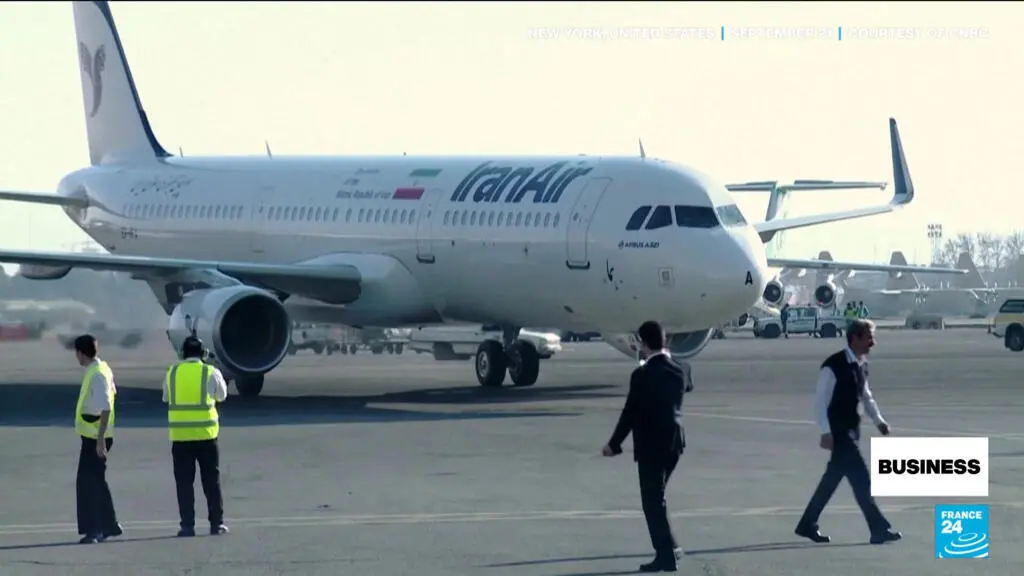
Flights between Iran and the United Arab Emirates have been suspended following the imposition of tighter US sanctions targeting Iran's aviation and transportation sectors. The disruption, reported in early 2024, has stranded travelers and disrupted cargo movements across key regional routes. Airlines operating between Tehran and Dubai, Abu Dhabi, and other UAE hubs have halted services, citing regulatory and financial pressures from secondary sanctions. The move affects both commercial passenger flights and freight operations, worsening existing travel bottlenecks. Iranian authorities have confirmed the suspensions but have not announced alternative arrangements for affected passengers.
Latest news
 Pope Expresses Concern Over Frontier AI as EU Lawmakers Push for Stricter Rules
 Iranian President Says US Must Decide Whether to End Conflict with Tehran
 Iranian President Masoud Pezeshkian denies Tehran directs Houthi military operations
 Oil Prices Slip as US-Iran Truce Hopes Rise
The latest US sanctions, expanded in late 2023, target Iranian entities involved in aircraft maintenance, leasing, and insurance, making it difficult for airlines to operate internationally. Many foreign carriers avoid Iranian airspace or refuse to service Iranian aircraft due to fear of penalties. As a result, IranAir and Mahan Air have reduced fleets and grounded planes, limiting their ability to maintain schedules. Land travel has also been impacted, with reports of increased scrutiny at borders and delays in trucking permits for goods moving between Iran and neighboring countries. The UAE, a major transit point for Iranian travelers seeking connections to Europe and Asia, has become inaccessible by direct flight, forcing detours through third countries like Turkey or Oman, which increases costs and travel time.
What Alternatives Do Travelers Have Now?
With direct flights suspended, Iranians seeking to travel abroad must rely on indirect routes, often involving longer layovers and higher ticket prices. Some have turned to charter flights or private arrangements, though these remain expensive and unreliable. Overland routes via Iraq, Pakistan, or the Caucasus are options but face their own challenges, including visa restrictions and security concerns. Travel agencies in Tehran report a surge in last-minute bookings to destinations with indirect connections, while others note a decline in outbound tourism overall. The situation has particularly affected students, medical patients, and business professionals who depend on timely access to international services.
Why were flights between Iran and the UAE suspended? The suspensions stem from US sanctions that penalize foreign entities dealing with Iranian aviation, prompting UAE-based airlines to halt services to avoid secondary penalties.
Frequently Asked Questions
Can Iranians still travel to the UAE through other countries? Yes, but only via indirect flights, which are more costly and time-consuming, requiring visas for transit countries and increasing the risk of missed connections.
Is there any chance flights will resume soon? Resumption depends on changes to US sanctions policy or specific waivers, neither of which appears imminent given current diplomatic tensions.