The Relentless Push for a Military Strike
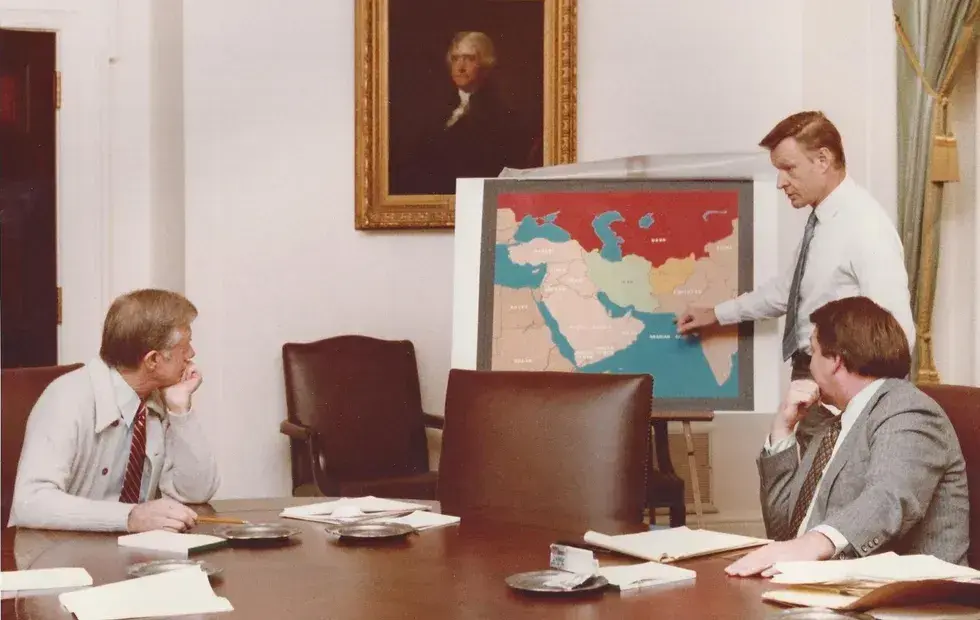
The United States faced a crisis in late 1979 when 52 American diplomats were seized in Tehran. Nightly news showed blindfolded hostages, sparking public outrage. Within the White House, senior advisers urged President Jimmy Carter to launch a military strike on Iran’s strategic oil hub, Kharg Island. Carter ultimately declined to order an invasion.
Latest news
 Swedish Voters Choose New Parliament as Left-Wing Coalition Projects to Win Majority
 Trump Announces End of US Tariff on Irish Whisky
 Frances Stonor Saunders, Author of CIA Cultural Espionage Exposé, Dies at 66
 Israel and Lebanon to Hold Security Talks in Rome This October
The hostage ordeal began on November 4, 1979, when Iranian students stormed the U. S. embassy. Images of captives, bound and blindfolded, dominated television screens, fueling a national mood of anger and fear. White House officials, including National Security Adviser Zbigniew Brzezinski, argued that a swift attack on Kharg—home to a vital oil terminal—could force Tehran’s hand. Military planners drafted options ranging from air strikes to a full‑scale amphibious assault. Yet Carter, wary of escalating the conflict, chose diplomatic channels, imposing economic sanctions and seeking United Nations support instead of direct combat.
Advisers pressed the president daily, citing the potential to cripple Iran’s oil revenue and pressure the regime. They claimed that a limited strike could rescue the hostages without a protracted war. Military leaders presented simulations showing minimal U. S. casualties and rapid success. Public opinion polls at the time reflected a growing desire for decisive action, with a majority favoring a strong response. Despite these arguments, Carter worried about the risk of civilian casualties and the possibility of drawing the United States into a broader regional conflict.
Why Carter Refused to Order an Invasion – Was It a Moral Decision?
Carter’s refusal rested on several factors. He feared that attacking Kharg could endanger the hostages, turning them into bargaining chips. The president also considered the legal implications of violating international law by striking a sovereign nation. Moreover, he was concerned about the long‑term impact on U. S. credibility; a failed operation could embolden adversaries worldwide. In a televised address, Carter emphasized the need for patience and diplomatic resolve, urging the nation to avoid rash bloodshed.
The decision not to invade Kharg Island left the hostage crisis unresolved for 444 days, ending only when the hostages were released on January 20, 1981, the day Ronald Reagan assumed office. The episode highlighted the tension between public demand for immediate retaliation and the constraints of presidential prudence. It also shaped future U. S. policy, reinforcing a preference for multilateral pressure over unilateral military action in similar crises.
Frequently Asked Questions
Did the United States ever carry out a strike on Kharg Island? No. Although plans were drafted, President Carter rejected the idea, and no military action was taken against the island during the crisis.
How did the public react to Carter’s decision not to attack? Many Americans expressed frustration, believing a stronger response was needed. Polls showed declining approval for Carter’s handling of the hostage situation throughout 1980.
What lessons did the crisis teach future administrations? The episode underscored the difficulty of balancing public pressure with strategic restraint, influencing later decisions to prioritize diplomatic and economic tools over immediate military strikes in hostage or regional conflicts.