The Legal Battle Over Provisional Ballots
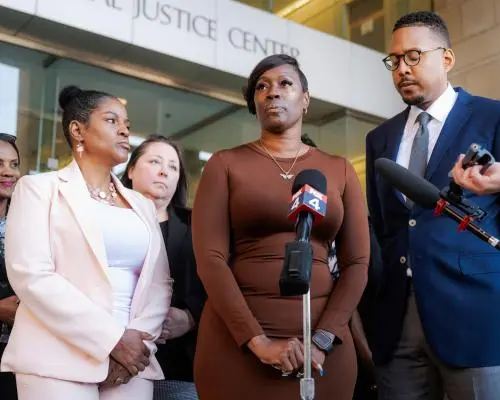
Crystal Mason, a Black woman from Texas, received a final acquittal in her high-profile legal battle on Thursday. The state’s highest criminal court reversed her conviction in a narrow five-to-four vote. This decision concludes a nearly ten-year legal struggle that began after she was sentenced to five years in prison. The ruling effectively erases the penalty associated with her 2018 conviction for casting a provisional ballot.
Latest news
 Iranian President Masoud Pezeshkian says US must decide on ending conflict
 Croatian Court Approves Extradition of Ukrainian Suspect in Nord Stream Sabotage Case
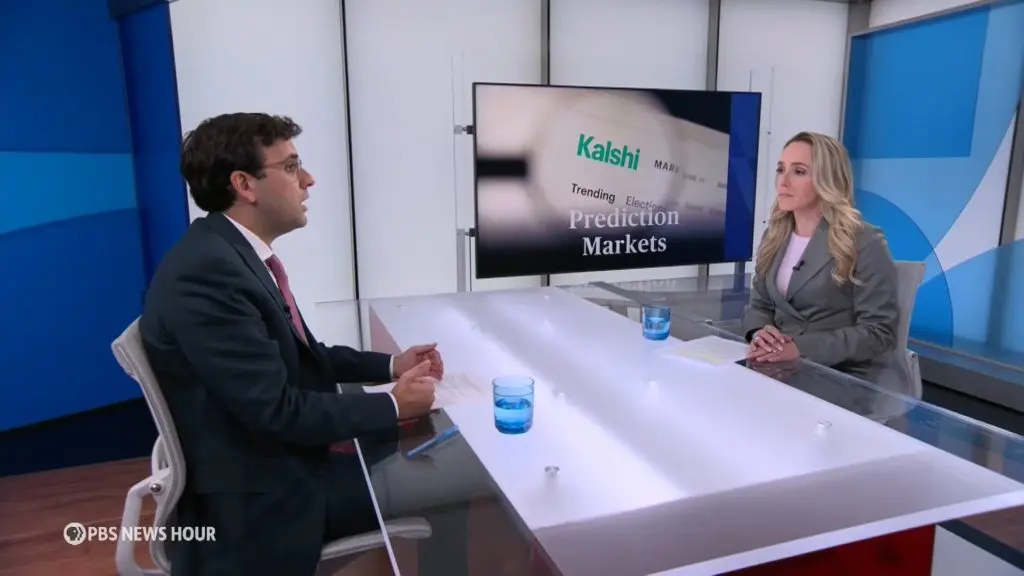 We want more guardrails, Kalshi CEO says as calls grow for prediction market regulation
 Navy Chief Reveals Eight Sailors Attempted Suicide During Lincoln Deployment
The case centered on whether Mason’s actions constituted illegal voting or a reasonable administrative error. She had cast a provisional ballot during a primary election, a process intended for voters whose eligibility is temporarily unclear. The lower courts originally found her guilty, leading to a significant prison sentence. However, the state supreme court determined that the evidence did not support such a harsh outcome. The justices concluded that her situation warranted an acquittal rather than a conviction.
Mason’s journey through the Texas court system spanned almost a decade. Her initial conviction in 2018 sparked immediate controversy among voting rights advocates. Critics argued that the penalty was disproportionately severe for what many viewed as a common clerical issue. Supporters of the original verdict maintained that strict enforcement of voting laws was necessary to maintain integrity. The split decision by the supreme court highlights the deep division among judges regarding this specific interpretation of election law.
What Does This Ruling Mean for Future Voters?
The court’s majority opinion emphasized the nuances of provisional voting procedures. It clarified that errors in this specific context should not automatically result in criminal liability. This distinction is crucial for future cases involving similar procedural hiccups during elections. The ruling provides a clearer framework for how lower courts must handle disputes over voter eligibility and ballot processing.
The acquittal sets a significant precedent for voters in Texas. It suggests that minor administrative mistakes during the provisional voting process may not always lead to criminal charges. This could encourage more confident participation in elections, particularly among first-time or infrequent voters. Legal experts note that the decision reduces the fear of prosecution for technical errors. It shifts the focus toward correcting issues rather than punishing individuals.
For Mason, the victory brings a sense of closure after years of uncertainty. She can now move forward without the weight of a criminal record stemming from this incident. The case also serves as a reference point for other pending appeals involving similar voting irregularities. As election cycles continue, this ruling will likely be cited by both plaintiffs and defendants in future litigation.
Frequently Asked Questions
How long did Crystal Mason fight this legal case? Mason spent nearly a decade challenging her conviction. The legal proceedings began with her 2018 sentencing and concluded with the supreme court’s decision on Thursday.
What was the original sentence in this case? Mason was initially sentenced to five years in prison. This penalty resulted from her 2018 conviction for casting a provisional ballot under disputed circumstances.
Why was the court decision significant? The five-to-four ruling reversed the lower court’s judgment. It established that Mason’s actions warranted an acquittal, setting a new standard for handling similar voting errors in Texas.