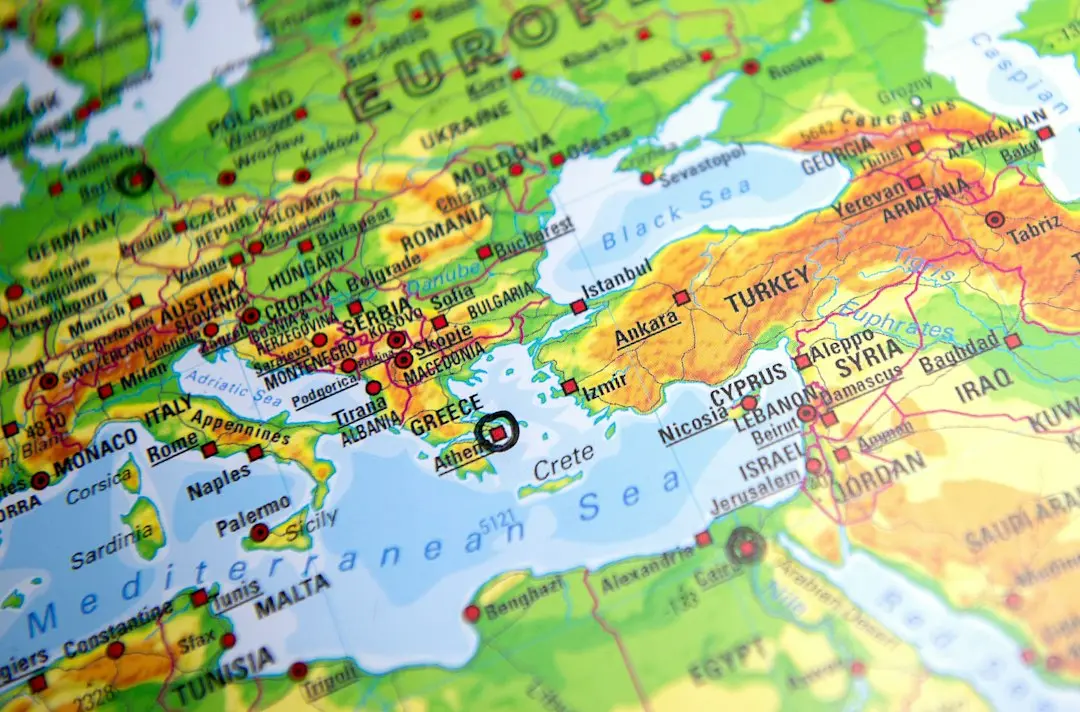
What makes a city competitive in the greenest city ranking?
Eight European cities have been named as finalists in the competition to be crowned Europe's greenest city for 2028, with three located in Spain. The announcement was made on April 10, 2026, by the organizing body behind the award, which evaluates urban sustainability across seven key domains including climate resilience and environmental management. Cities ranging from Aalborg in Denmark to Zaragoza in Spain are now in the running, each having demonstrated strong performance in areas such as green space preservation, air quality improvement, and sustainable transport initiatives. The selection process highlights a growing trend among European municipalities to prioritize ecological innovation as part of long-term urban planning strategies.
Latest news
 UAE Shared Flight Details with Israel After FlyDubai Incident
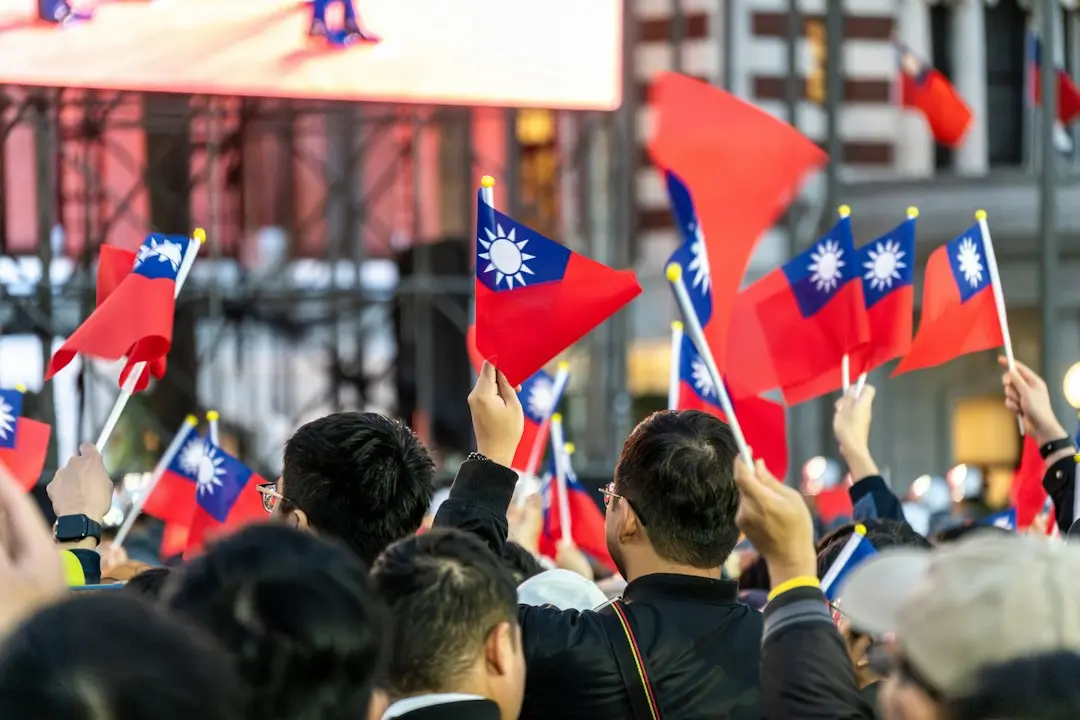 Taiwan Says US Policy Remains Unchanged After Trump-Xi Meeting
 Plague Threat Looms in Siberia After Lab Worker’s Death
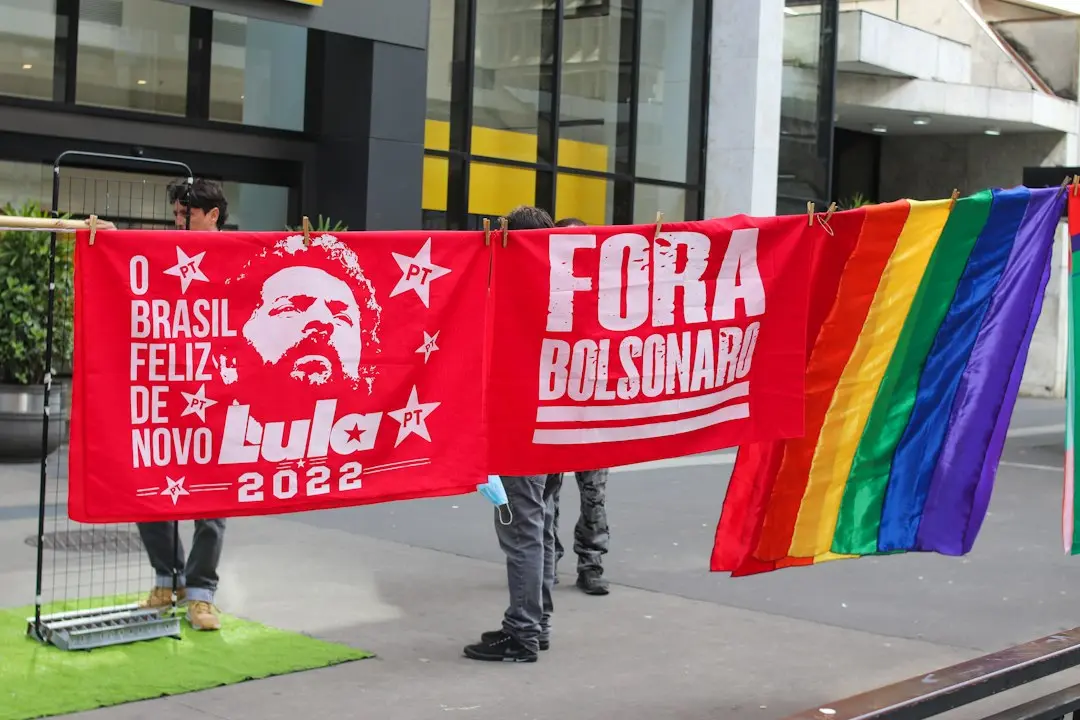 Lula and Bolsonaro Cast Votes Amid Brazil’s Polarised Election
The evaluation framework assesses finalists across seven specific criteria: climate change adaptation, sustainable land use, biodiversity protection, air and noise pollution control, water management, waste reduction and recycling, and environmental governance. Each city submits detailed data and action plans demonstrating progress and future commitments in these areas. For example, Aalborg has emphasized its district heating system powered by renewable energy, while Zaragoza points to its extensive urban forestry program and pedestrian-first urban design. The scoring system rewards not only current achievements but also credible, measurable targets for improvement by 2030, ensuring that the title reflects ongoing effort rather than a static achievement.
How do Spanish cities stand out in this year’s finalists?
Three Spanish cities—Alicante, Burgos, and Zaragoza—have secured finalist positions, reflecting Spain’s growing investment in urban sustainability over the past decade. Zaragoza, in particular, has expanded its network of bike lanes and introduced low-emission zones in its city center, contributing to a measurable drop in particulate matter levels. Alicante has focused on coastal resilience, integrating green infrastructure to manage stormwater and combat urban heat island effects. Burgos has prioritized energy-efficient building retrofits and district renewable energy sharing, reducing municipal carbon emissions by nearly 40% since 2020. Their collective presence underscores a regional shift toward integrating environmental goals into municipal budgets and development plans.
Despite progress, finalists face persistent obstacles including funding limitations, bureaucratic delays in project approvals, and the need to balance green initiatives with housing and transportation demands. Experts note that achieving true sustainability requires not just technological upgrades but also behavioral change among residents and businesses. Moreover, climate adaptation measures—such as flood-resistant infrastructure and heatwave response plans—are becoming increasingly urgent as extreme weather events grow more frequent. The competition encourages knowledge sharing among cities, allowing finalists to learn from each other’s successes and setbacks in real time.
What challenges remain for cities aiming to lead in sustainability?
What is the prize for winning Europe's greenest city title? The winning city receives a financial grant to support further sustainability projects, along with increased visibility and opportunities for collaboration with other European municipalities on environmental initiatives.
Frequently Asked Questions
How often is the award given? The Europe's greenest city award is presented every two years, with the next winner to be announced in 2028 following evaluation of the current finalists.
Can a city win the title more than once? Yes, cities are eligible to participate in multiple cycles, though they must demonstrate continued progress and new initiatives since their last submission to remain competitive.