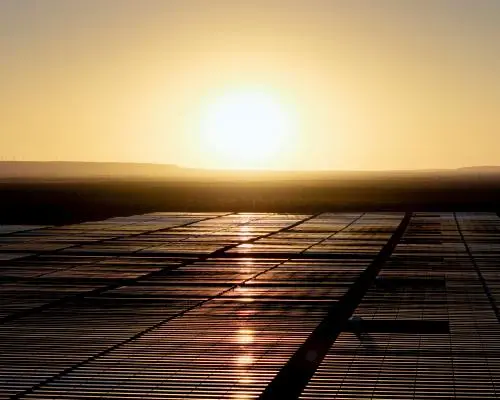
Clean Energy as the Cornerstone of Climate Strategy
New York, September 2026 – Hundreds of climate scientists and policy makers convened at the United Nations headquarters this week, demanding a decisive shift toward clean energy. The summit coincides with forecasts that 2026 will break global temperature records, and an intensifying El Niño threatens an even hotter 2027.
Latest news
 International Criminal Court Convicts Former CAR Rebel Leader for Torture Oversight
 Democrats Hold Edge Over Republicans in New Polling Data
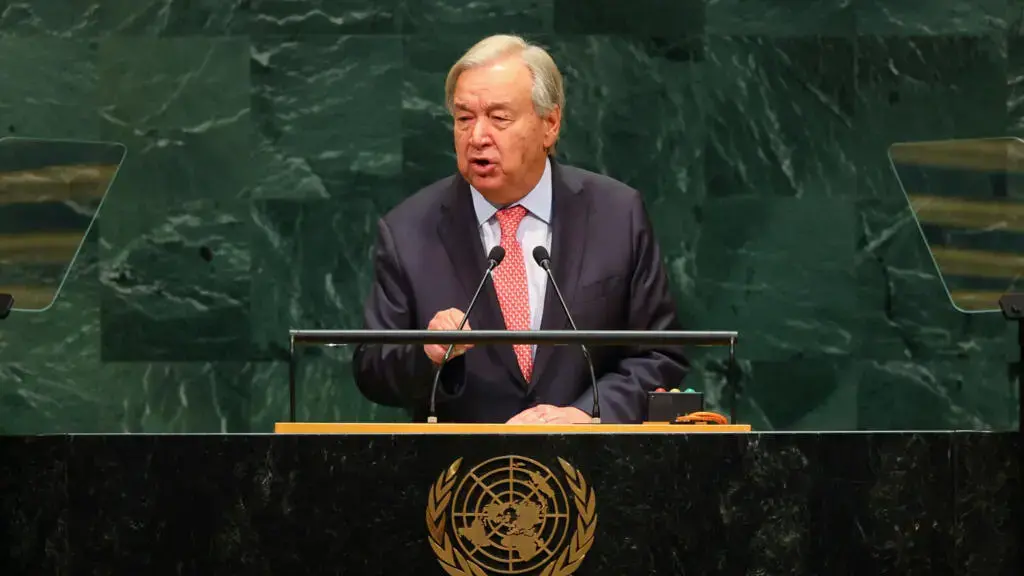 World leaders converge on New York for the UN General Assembly
 Trade War Stalemate: Who Holds the Upper Hand?
Delegates warned that the planet is spiraling into a series of climate catastrophes, from unprecedented heatwaves to severe flooding. They argued that without immediate, coordinated action on renewable power, the world will exceed the 1.5 °C warming limit set by the Paris Agreement. The urgency stems from rising emissions, dwindling ice caps, and the growing frequency of extreme weather events that strain economies and human lives.
Speakers highlighted solar and wind projects that have already cut emissions in several nations. „Investing in renewables is no longer optional; it is the only viable path forward,” said Dr. Elena Martínez, a leading climatologist from Spain. Data presented showed a 12 % drop in coal use across Europe last year, attributed to new offshore wind farms. However, experts cautioned that progress remains uneven, with many developing countries lacking the financial tools to transition.
Can International Cooperation Overcome Political Gridlock?
The UN Secretary‑General called for a global fund to support green infrastructure in vulnerable regions. He emphasized that wealthier nations must honor their climate finance commitments, noting that only half of the pledged $100 billion has been delivered. The message resonated with activists who marched outside the conference hall, demanding accountability and faster implementation.
Political divisions threaten to stall momentum. Some member states argue that rapid decarbonization could harm their economies, especially those reliant on fossil fuels. Yet, research cited at the summit indicates that green jobs could replace up to 30 million jobs lost in traditional energy sectors by 2035.
Negotiators are drafting a revised emissions framework that would tighten national targets and introduce stricter reporting mechanisms. Critics fear the plan may lack enforcement teeth, but proponents argue that transparent data will pressure lagging countries to act. The upcoming climate summit in Dubai will test whether these proposals can gain consensus.
The stakes are high. Failure to curb emissions could lock in catastrophic temperature rises, triggering irreversible damage to ecosystems and food security. Conversely, a unified push for clean energy could steer the planet toward a more sustainable trajectory, preserving livelihoods for future generations.
Frequently Asked Questions
What is the main goal of the UN climate meeting? Delegates aim to secure a global agreement that accelerates the deployment of renewable energy and ensures financial support for vulnerable nations.
How does El Niño affect global temperatures? El Niño warms ocean surfaces, amplifying heatwaves and raising average global temperatures, which can push the climate beyond critical thresholds.
Will clean energy create enough jobs to offset losses in fossil fuels? Studies suggest the renewable sector could generate tens of millions of new jobs, potentially surpassing employment losses from declining coal and oil industries.