Experts warn that without reform, transportation funding gaps could widen as EV
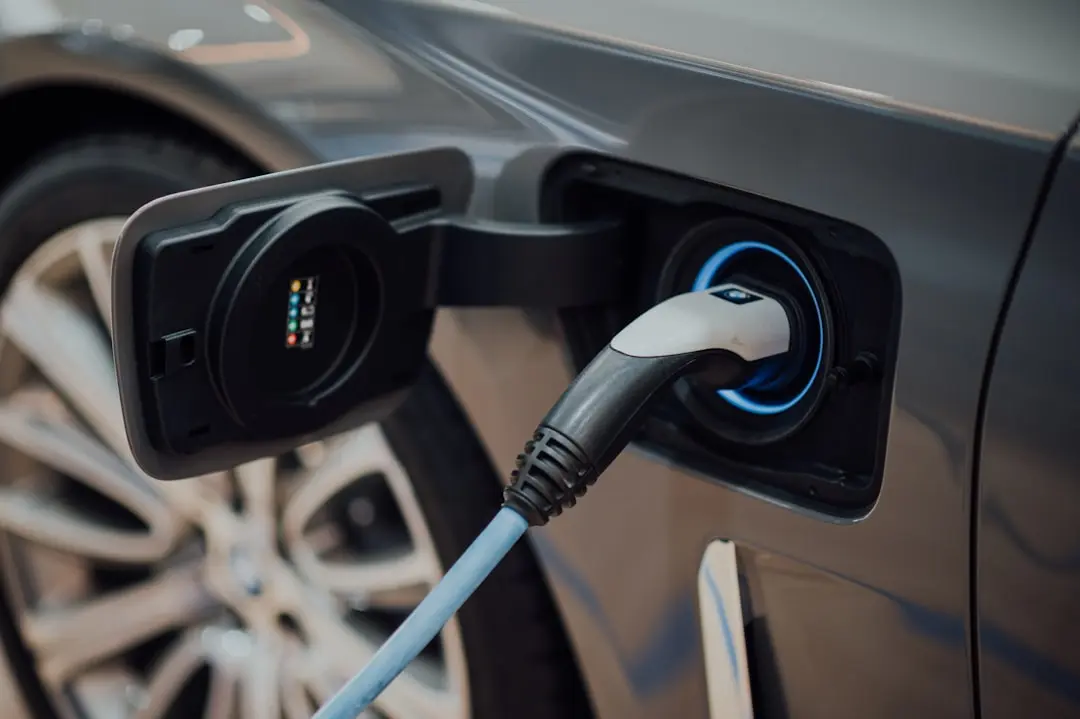
Germany's rapid transition to electric vehicles is eroding a key source of funding for road maintenance as fuel tax income declines. By September 2026, rising EV sales have begun to significantly reduce government revenue traditionally derived from gasoline and diesel taxation, prompting urgent discussions among policymakers about sustainable alternatives for infrastructure financing. The shift reflects Germany's aggressive climate policies and consumer incentives that have accelerated EV adoption across the country. While environmental goals are being met, the fiscal side effect poses a growing challenge: fewer fuel purchases mean less money flowing into the federal budget earmarked for highways, bridges, and public transit upkeep.
Latest news
 Russians Vote in Parliamentary Elections With No Anti-War or Anti-Putin Parties on Ballot
 Revolut Considers Dual Listing in New York and London for Upcoming IPO
 Pro‑Netanyahu Demonstrators Rally Outside Knesset, Warn of Election Delay Tactics
 Protesters Target OpenAI and Anthropic Offices in San Francisco Over AI Safety Concerns
Experts warn that without reform, transportation funding gaps could widen as EV market share continues to climb. How Will Germany Replace Lost Fuel Tax Income? Policymakers are exploring several options to offset declining fuel tax receipts, including road usage charges based on mileage, time-of-day pricing, and potential electricity levies for vehicle charging. Some propose integrating EVs into a broader mobility pricing system that accounts for road wear and congestion, ensuring all drivers contribute fairly regardless of propulsion type. Pilot programs in urban areas are testing telematics-based tracking to measure actual usage, though privacy concerns remain a hurdle in nationwide implementation. What Are the Risks of Delaying Revenue Reform? Delaying action risks underfunding critical infrastructure projects, potentially leading to deteriorating road conditions and increased long-term repair costs. Rural regions, which rely heavily on state and federal allocations, could face disproportionate impacts if funding formulas aren't adjusted.
Moreover, uneven implementation across states might create disparities in road
Moreover, uneven implementation across states might create disparities in road quality and access. Officials stress that proactive reform is essential to maintain both environmental progress and reliable transportation networks. Frequently Asked Questions Why is fuel tax revenue important for Germany's transportation system? Fuel tax has historically been a primary source of funding for federal and state road construction, maintenance, and public transit investments, making its decline a direct threat to infrastructure sustainability.
Could electricity used for EV charging be taxed to replace lost fuel revenue? Yes, policymakers are considering levies on electricity used for vehicle charging, though such measures must balance climate goals with fairness and avoid discouraging EV adoption among consumers.
How might road usage charges work for electric vehicles? Road usage charges could track vehicle mileage via onboard telematics or periodic inspections, charging drivers based on distance traveled, time of day, or route congestion levels to ensure equitable contribution to road upkeep.