The Rise of Alternative for Germany
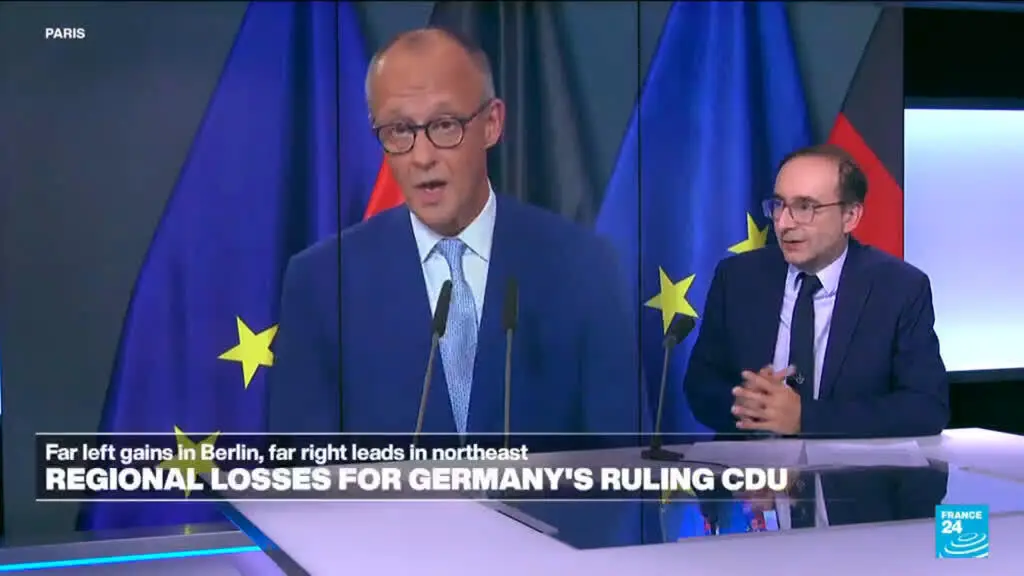
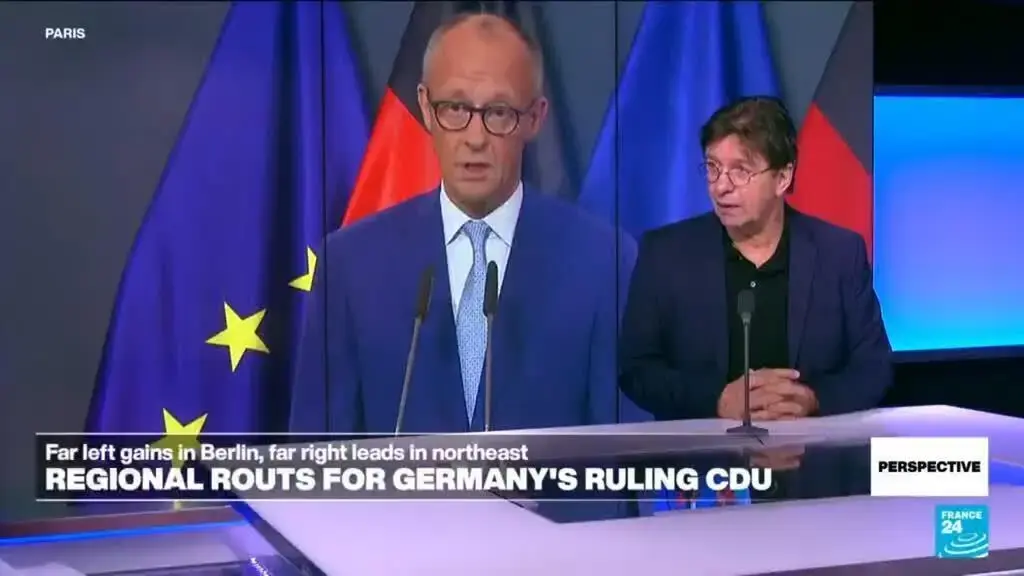
The withdrawal of power from the Christian Democratic Union (CDU), the dominant force in the federal governing coalition, is becoming increasingly evident through these poor regional outcomes. Preliminary projections indicate that the CDU failed to secure a single seat in the regional parliament of Lower Mecklenburg-Pomerania. In this particular region, the radical right-wing movement represented by the Alternative for Germany (AfD) completely dominated the electoral standings. Conversely, a starkly different political climate emerged in the capital city of Berlin, where the radical left-wing formation known as Die Linke led the vote count, surprising many political observers.
Latest news
 Professor Warns German Far‑Right Leader Is in a Precarious Spot
 Georgescu Detained on Fraud Charges After Presidential Bid
 EU Faces Deadlock Over French Push to Remove Russian Billionaire From Sanctions List
 Greek Stock Market Joins Global Elite Exchanges After Decade of Debt Crisis
The Alternative for Germany (AfD) party has demonstrated a remarkable ability to solidify its political footprint across both federal entities. This significant advancement directly continues a broader upward trend for the party, building strongly upon its recent electoral victory in the state of Saxony-Anhalt. Armen Georgian, the senior European news editor for France 24, provides detailed analysis and essential perspective regarding these rapidly shifting political dynamics throughout Germany.
Fragility of Traditional Parties
Although technical barriers briefly hindered the playback of related media content due to browser extensions and cookie tracking requirements, the core political reality remains unchanged. The situation in Lower Mecklenburg-Pomerania clearly exposes the failure of the CDU to break into the local legislature, while Berlin highlights the surging momentum of leftist forces. Ultimately, these stark results underline the growing fragility of traditional center-right parties. They now face immense pressure from an increasingly polarized opposition featuring dynamic and aggressive factions from both extremes of the political spectrum.