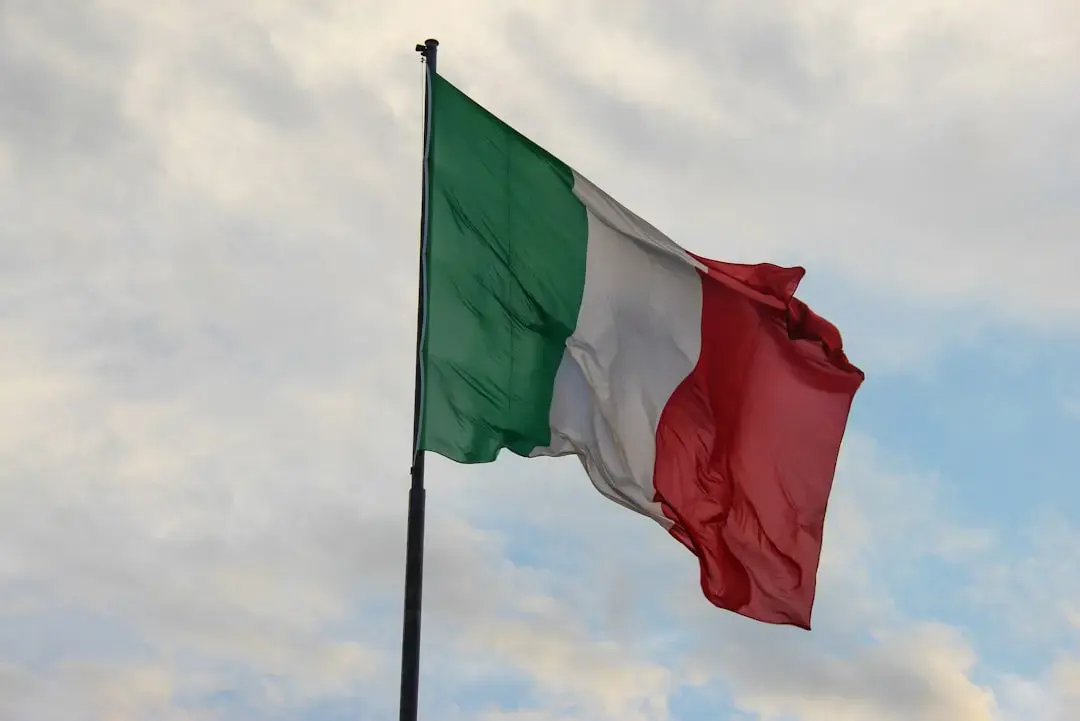
Nuclear Renaissance: Italy's Strategic Energy Pivot
Italy is poised to restart nuclear energy generation by 2035 following expected Senate approval of a historic atomic energy bill within days. The move would end the nation's 35-year hiatus from nuclear power, which began after a 1987 public referendum rejected nuclear technology following the Chernobyl disaster.
Latest news
 Houthi Rebels Issue New Threats Against Saudi Military Infrastructure
 Houthi Rebels Seize Strategic Hanish Islands in Red Sea
 Global Markets Stumble as AI Leaders Call for Development Slowdown
 AI Takes Control of Clinical Eye Screenings in China
The legislation marks a dramatic shift in Italy's energy strategy, driven by the need to reduce carbon emissions and achieve European Union climate targets. Energy Minister Gilberto Pichetto Fratin indicated that the government aims to build new nuclear facilities alongside renewable energy projects to ensure stable, low-carbon electricity supply. The bill establishes a legal framework for nuclear power development while setting strict safety and waste management protocols.
After Chernobyl, Italian voters voted decisively against nuclear power in a national referendum, leading to the closure of three nuclear plants that had been operational since the 1960s. The last facility, Trino di Castelli, was shut down in 1990, leaving Italy entirely dependent on fossil fuels and renewables for electricity generation.
The current government argues that restarting nuclear energy is essential for energy independence and security. Italy currently imports most of its natural gas, making it vulnerable to price fluctuations and supply disruptions. Nuclear power would provide baseload electricity while reducing reliance on Russian gas, especially significant given recent geopolitical tensions affecting European energy markets.
Can Italy Balance Public Concerns with Energy Needs?
The proposed nuclear program would require substantial investment and technological upgrades since the existing infrastructure is outdated. The legislation mandates that any new reactors must meet modern safety standards developed after Fukushima. Italy's geological conditions, including seismic activity in certain regions, also necessitate careful site selection and advanced reactor designs.
Public opinion remains divided on Italy's nuclear ambitions, with environmental groups and anti-nuclear activists expressing skepticism about safety measures and long-term waste storage solutions. The 1987 referendum reflected deep public anxiety about nuclear risks, and polling suggests similar concerns persist among contemporary Italian citizens.
The government faces the challenge of addressing these concerns while demonstrating that modern nuclear technology offers significantly improved safety compared to reactors from the 1980s. Proponents argue that Italy's experience with nuclear regulation provides valuable expertise for managing a responsible restart program.
Frequently Asked Questions
Italy's energy transition will likely involve a mix of nuclear, renewable, and traditional sources, with nuclear filling the gap during periods when wind and solar are unavailable. The success of this approach will depend on public acceptance, regulatory effectiveness, and the ability to secure international partnerships for technology and financing.
What triggered Italy's original nuclear shutdown? The 1987 referendum, prompted by public fears after the Chernobyl disaster, led voters to reject nuclear power entirely, forcing closure of all Italian nuclear facilities by 1990.
How will Italy address seismic risks for new nuclear plants? The legislation requires advanced reactor designs with enhanced safety features and mandates site selection based on strict geological criteria to avoid earthquake-prone regions.
What role does nuclear power play in Italy's climate goals? Nuclear energy would provide carbon-free baseload power to complement renewables, helping Italy meet EU targets for reducing greenhouse gas emissions while maintaining energy security.