
Warsh’s Defiance Tests White House Relations
The US Federal Reserve unanimously voted on Wednesday to raise interest rates for the first time in three years. The central bank also signaled that further increases may follow later this year. This decision creates immediate tension between President Donald Trump and his newly appointed Fed chair, Kevin Warsh.
Latest news
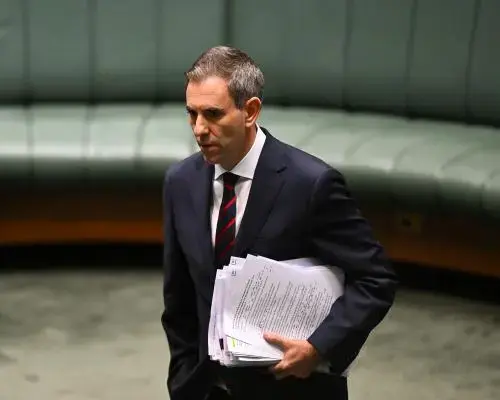 IMF Cuts Australia Growth Forecast Amid Rate Hike Warnings
 Nicaraguan Exile Journalist Luis Galeano Detained by U.S. ICE in Florida
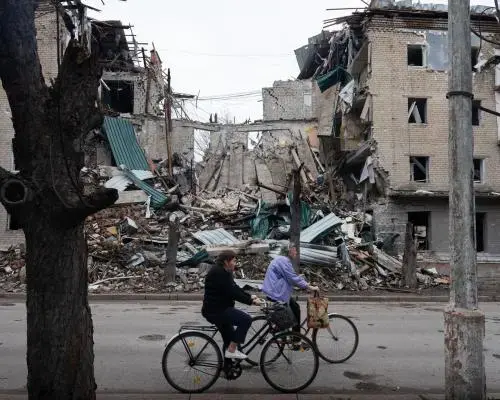 Congress Passes Bill Granting Trump Expanded Sanctions Authority
 AI pioneer Yoshua Bengio warns of imminent crisis
Central bankers expressed growing concern over persistent inflation pressures. Rising oil prices have exacerbated the problem, making price stability harder to achieve. The unanimous vote indicates strong internal consensus among policymakers. They believe aggressive action is necessary to curb rising costs before they become entrenched. This move marks a significant shift in monetary policy direction after a long period of cuts or holds.
President Trump has historically favored lower interest rates to stimulate economic growth. He often criticizes the Fed for keeping borrowing costs too high. Kevin Warsh, however, appears willing to prioritize inflation control over political preferences. This stance challenges the delicate balance of power between the executive branch and the independent central bank. Warsh’s decision to hike rates signals a commitment to data-driven decisions rather than political alignment. It suggests he views the current inflation threat as severe enough to warrant immediate intervention.
Can Higher Rates Tame Soaring Oil Prices?
The relationship between the White House and the Fed has always been complex. However, this specific rate hike intensifies that dynamic. Trump may view the move as an obstacle to his economic agenda. Conversely, Warsh argues that ignoring inflation risks long-term damage to consumer purchasing power. The signal of potential future hikes adds another layer of complexity to their interactions.
Oil prices have surged recently, contributing significantly to broader inflation trends. Central bankers worry that energy costs will feed into other sectors of the economy. By raising rates, the Fed aims to cool demand and stabilize prices. Higher borrowing costs typically reduce spending and investment, which can help lower inflationary pressure. However, there is a risk that higher rates could slow economic growth too much. Policymakers must carefully balance these competing risks to avoid triggering a recession.
Frequently Asked Questions
The unanimous nature of the vote provides a clear message to markets. Investors now expect tighter monetary conditions for the foreseeable future. This could impact bond yields, stock valuations, and mortgage rates across the country. Businesses facing higher loan costs may adjust their expansion plans accordingly. Consumers with variable-rate debt will see increased monthly payments.
Why did the Federal Reserve raise rates so quickly? Policymakers cited worsening inflation driven by soaring oil prices as the primary reason. They believe acting now prevents inflation from becoming permanent. The unanimous vote reflects a shared urgency to restore price stability.
How does this affect President Trump’s economic goals? Higher interest rates generally slow down economic activity, which conflicts with Trump’s preference for rapid growth. This move tests the relationship between the White House and the Fed. It highlights the challenge of maintaining central bank independence during political transitions.