Trump’s Economic Strategy Meets Fed Policy
The Federal Reserve announced a rate hike on September 16, 2026, citing persistent inflation fueled by ongoing global conflicts. The move follows a series of policy adjustments aimed at stabilizing the economy while maintaining backing for President Trump’s economic agenda.
Latest news
 IMF Cuts Australia Growth Forecast Amid Rate Hike Warnings
 Nicaraguan Exile Journalist Luis Galeano Detained by U.S. ICE in Florida
 Congress Passes Bill Granting Trump Expanded Sanctions Authority
 AI pioneer Yoshua Bengio warns of imminent crisis
The Fed’s decision to increase the federal funds rate by 25 basis points reflects concerns that inflation remains above the 2% target. Officials highlighted the continued pressure from supply chain disruptions and elevated energy prices, both linked to geopolitical tensions. The rate rise is part of a broader strategy to curb price growth without triggering a recession.
How Will the Rate Hike Affect the Markets?
President Trump has championed a fiscal approach that emphasizes tax cuts and deregulation. The recent rate hike aligns with his goal of sustaining economic growth while keeping inflation in check. Trump’s administration has urged the Fed to adopt a measured stance, arguing that aggressive tightening could stifle job creation. The Fed’s action demonstrates a balance between these priorities, showing willingness to support the president’s agenda without compromising monetary stability.
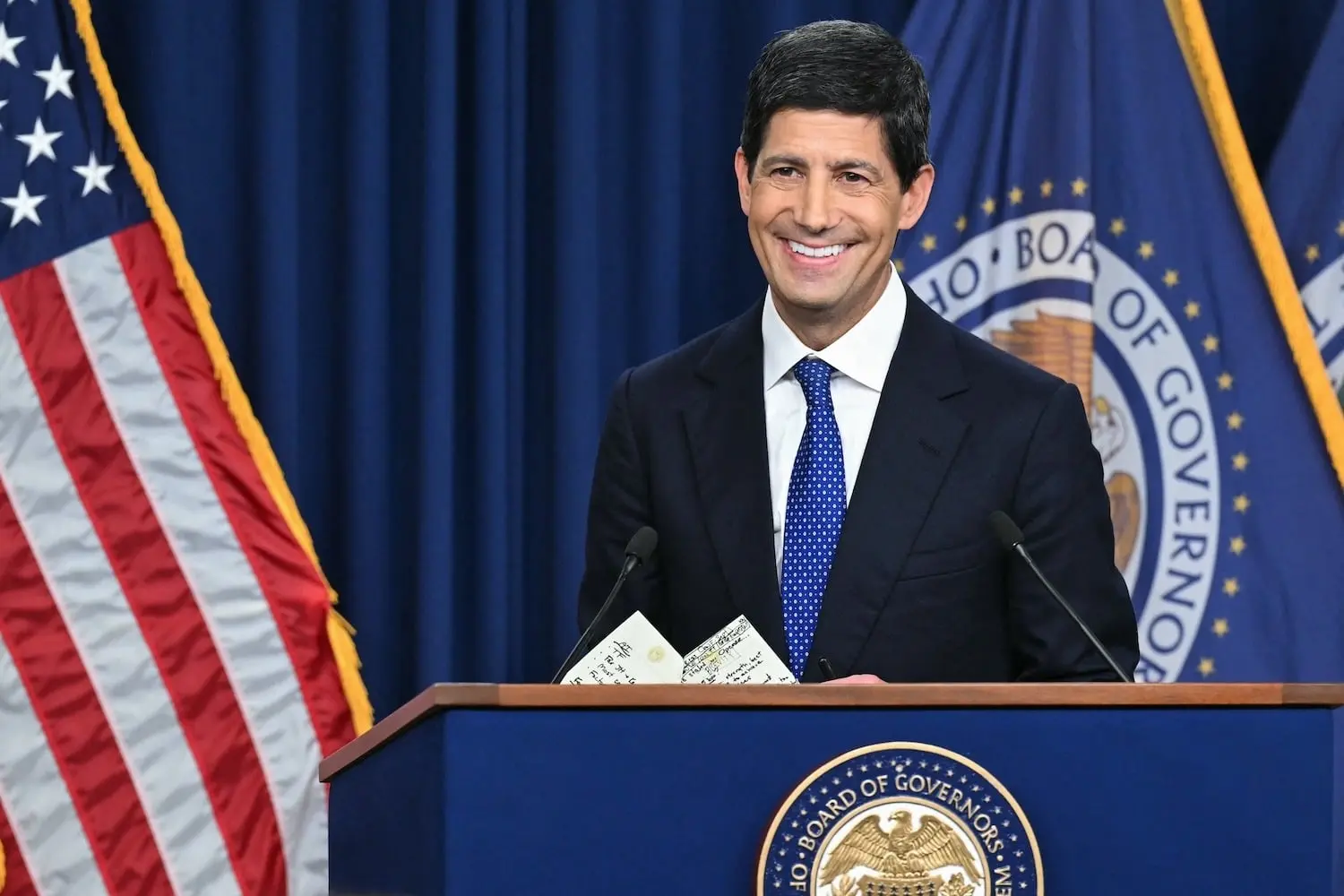
The policy shift follows testimony from Fed Governor Kevin Warsh, who emphasized the need for „steady, predictable” policy moves. Warsh noted that the current inflation trajectory, driven by war‑related supply shocks, requires a cautious but decisive response. The rate increase is expected to temper consumer spending and moderate the rise in commodity prices, thereby easing inflationary pressures over the next fiscal cycle.
Will Inflation Return to Target?
Financial markets reacted with a modest dip in equity indices, as investors recalculated the impact of higher borrowing costs. Bond yields rose, reflecting expectations of tighter monetary conditions. Analysts predict that the hike will cool the housing market, where mortgage rates have already spiked, and could slow down the pace of new construction projects.
Small businesses, particularly those reliant on credit, may face higher financing costs. However, the Fed’s forward guidance suggests that the increase is a temporary measure, with a potential pause in tightening if inflation shows sustained improvement. The central bank’s communication strategy aims to preserve market confidence while signaling a firm commitment to price stability.
The key question for economists is whether the rate hike will bring inflation back to the Fed’s 2% goal. Recent data show a slight decline in consumer price indices, but core inflation remains elevated. The Fed’s dual mandate—maximum employment and price stability—requires a delicate balance. If inflation continues to outpace the target, further rate increases may be necessary.
Frequently Asked Questions
The policy change also signals the Fed’s readiness to adjust its stance in response to evolving global conditions. Should geopolitical tensions ease, the central bank may consider a more accommodative approach to support growth.
The long‑term outlook depends on the trajectory of supply chain disruptions and energy prices. A sustained reduction in war‑related costs could ease inflationary pressures, allowing the Fed to normalize rates gradually. Until then, the current hike represents a cautious step toward achieving the dual objectives of the U. S. economy.