Fiscal Discipline as a Key Remedy
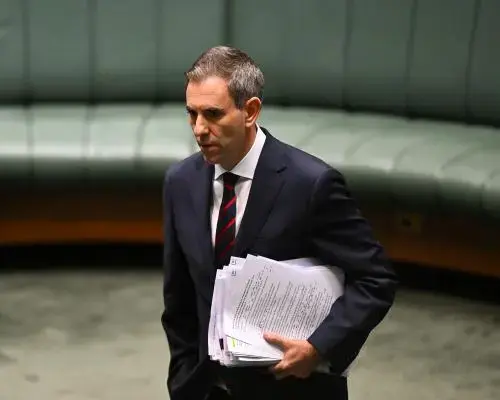
The International Monetary Fund has lowered its economic growth projection for Australia. The new forecast predicts the gross domestic product will expand by only 1.6 percent in 2027. This downgrade reflects growing concerns about persistent inflationary pressures. The global financial institution warns that the Reserve Bank of Australia may need to raise interest rates further. These moves aim to stabilize prices and restore monetary policy effectiveness.
Latest news
 Nicaraguan Exile Journalist Luis Galeano Detained by U.S. ICE in Florida
 Congress Passes Bill Granting Trump Expanded Sanctions Authority
 AI pioneer Yoshua Bengio warns of imminent crisis
 U.S. Stocks Slide After Fed Hike, With More Increases Likely Ahead
The report highlights a challenging environment for Australian policymakers. Central bankers face the difficult task of balancing economic stability with growth. The IMF suggests that current price pressures remain stubborn. Consequently, the cost of borrowing might stay higher for longer than previously anticipated. This scenario could dampen consumer spending and business investment. The organization emphasizes the need for a coordinated response from both monetary and fiscal authorities to navigate this period.
The IMF explicitly called on federal and state governments to tighten their budgets. The report argues that more disciplined fiscal policies are essential to rein in public spending. Governments must prioritize debt reduction and sustainable budget management. This approach would help lower inflationary expectations across the economy. By reducing the fiscal impulse, authorities can support the central bank’s efforts to control prices. The institution noted that loose fiscal policy often complicates monetary policy. Therefore, immediate action is required to restore confidence in the economic outlook.
Can Budget Cuts Offset Monetary Tightening?
The data indicates a slowing trajectory for the Australian economy. Growth rates were previously expected to be higher. However, global headwinds and domestic challenges have altered this path. The 1.6 percent figure for 2027 signals a significant deceleration. This slowdown is not entirely unexpected given the global context. Yet, it underscores the fragility of the current recovery. Businesses and households must adjust to a tighter financial environment. The cost of loans for mortgages and business credit will likely remain elevated.
The interplay between fiscal and monetary policy is critical here. If governments continue to spend aggressively, it may negate the effects of higher interest rates. The IMF warns that such a combination could lead to overheating. Conversely, strict budget controls can complement rate hikes. This dual approach aims to cool down demand without causing a severe recession. State governments also face pressure to improve their financial positions. Many states carry significant debt burdens from past infrastructure projects. Addressing these liabilities is now a top priority for fiscal stability.
Frequently Asked Questions
The final paragraph of this analysis points to a cautious outlook. Australia’s economic resilience will be tested in the coming years. Success depends on how well policymakers implement the recommended reforms. Consumers should expect continued pressure on household budgets. Businesses may see reduced margins due to higher financing costs. The IMF’s report serves as a clear warning to all stakeholders. Ignoring these recommendations could lead to deeper economic instability. A proactive stance is necessary to ensure long-term prosperity.
Why did the IMF lower the growth forecast? The IMF downgraded the forecast due to persistent inflation risks. They believe the Reserve Bank may need to raise rates further to control prices. This monetary tightening is expected to slow economic activity.
What specific action did the IMF recommend for governments? The institution urged federal and state governments to tighten their budgets. More disciplined fiscal policy is needed to reduce public spending. This helps support the central bank’s efforts to stabilize the economy.