Market Reaction and Investor Sentiment
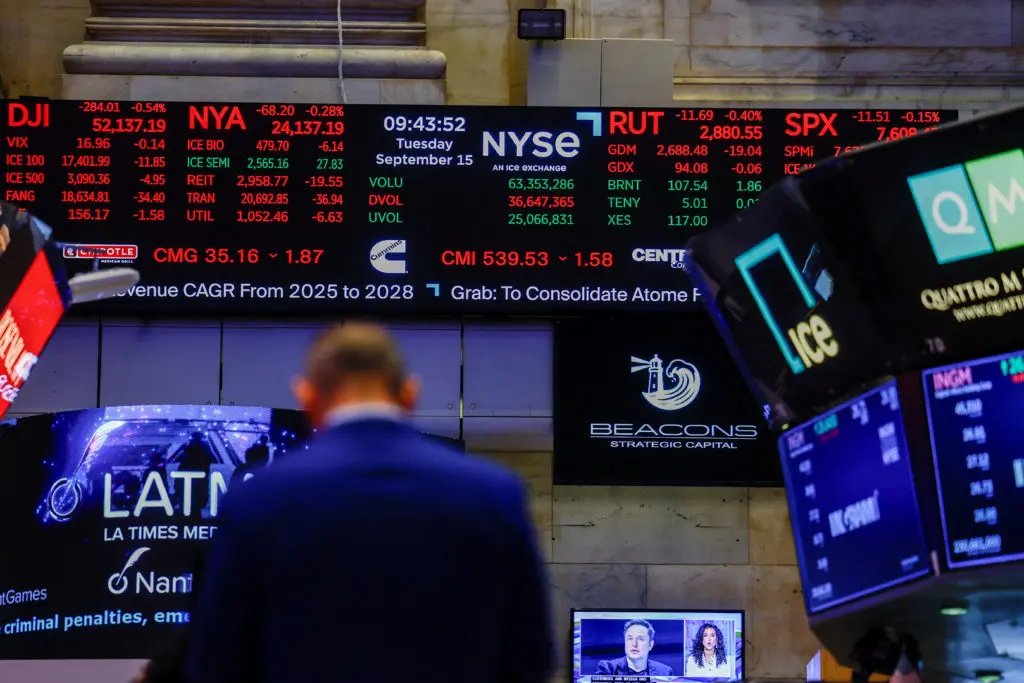
U. S. equity markets closed lower on Wednesday following the Federal Reserve’s decision to raise its benchmark interest rate. The move signaled that central bank officials remain concerned about persistent inflationary pressures. Investors reacted negatively to the news, triggering a broad sell-off across major indices. The session marked a significant shift in market sentiment regarding future monetary policy direction.
Latest news
 IMF Cuts Australia Growth Forecast Amid Rate Hike Warnings
 Nicaraguan Exile Journalist Luis Galeano Detained by U.S. ICE in Florida
 Congress Passes Bill Granting Trump Expanded Sanctions Authority
 AI pioneer Yoshua Bengio warns of imminent crisis
The Federal Reserve increased the federal funds rate, the primary tool used to manage liquidity in the U. S. financial system. This action was taken to curb spending and investment, thereby cooling down an economy that has shown signs of overheating. Officials emphasized that the current economic environment requires tighter conditions to ensure price stability is restored. The decision came after months of debate within the central bank over the appropriate pace of tightening.
Traders interpreted the rate hike as a clear indication that the cycle of monetary tightening is far from over. The Federal Reserve hinted during its announcement that additional increases could be necessary if inflation data remains stubbornly high. This forward-looking guidance dampened optimism among investors who had previously anticipated a pause or reversal in policy. Technology and growth stocks suffered the most, as higher borrowing costs reduce the present value of future earnings. Financial sector shares also faced pressure, though some lenders benefited from wider net interest margins.
Will Further Hikes Become the New Normal?
Market analysts noted that the volatility reflected a reassessment of risk premiums. Companies with heavy debt loads are now facing higher servicing costs, which squeezes profit margins. The bond market mirrored the equity decline, with yields rising as traders priced in the expectation of sustained higher rates. This synchronized movement across asset classes underscores the interconnected nature of global financial markets.
The prospect of multiple consecutive rate hikes has become a central theme in economic forecasting. Federal Reserve policymakers indicated that they would continue to monitor incoming data closely before making further adjustments. Inflation metrics, particularly core measures that exclude volatile food and energy prices, will play a decisive role in determining the next steps. If these indicators fail to show meaningful improvement, the central bank may feel compelled to act again quickly.
Economists suggest that the current stance reflects a cautious approach aimed at preventing inflation from becoming entrenched. Raising rates too slowly risks allowing price expectations to spiral out of control. Conversely, moving too aggressively could trigger a recession by stifling consumer demand and business investment. The balance between these two risks defines the current policy dilemma.
The immediate consequence for consumers is a rise in borrowing costs for mortgages, auto loans, and credit cards. Businesses must plan for higher capital expenditures, potentially delaying expansion projects. Looking ahead, the stock market may remain volatile until clear evidence emerges that inflation is trending downward. Investors should prepare for a period of heightened uncertainty as the Federal Reserve navigates this delicate balancing act.
Frequently Asked Questions
Why did the Federal Reserve raise interest rates? The central bank increased rates to combat persistent inflation. Higher borrowing costs aim to slow down spending and stabilize prices in the long term.
How will this affect individual borrowers? Consumers will face higher monthly payments on variable-rate loans. Fixed-rate mortgages may also see increased initial rates due to shifting market expectations.
Is a recession likely following these hikes? A recession is not guaranteed, but the risk has increased. Tighter monetary policy can slow economic activity, potentially leading to a downturn if implemented too aggressively.