
From Handshakes To Hard Currency
Washington has allocated millions of dollars to the Trans-Caspian Enterprise Fund. This new financial instrument targets the Trans-Iranian and Trans-Caucasus routes. The initiative aims to transform diplomatic efforts into tangible commercial activity. Azerbaijan and Armenia are central to this strategic shift. The move signals a pivot toward economic integration in the region.
Latest news
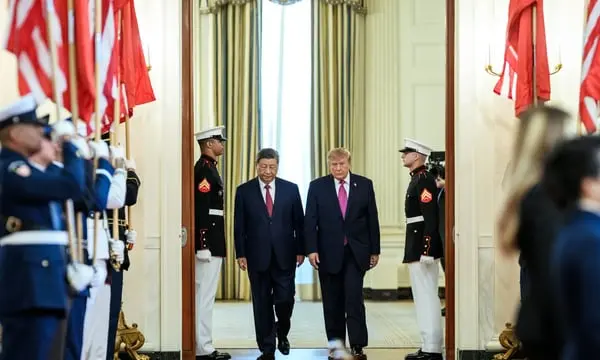 Trump and Xi Meet Again: A Summit With Little Substance
 White House Excludes Major News Outlets from Trump's Tennessee Trip
 Thousands Rally in Washington Against Chinese President Xi’s State Visit
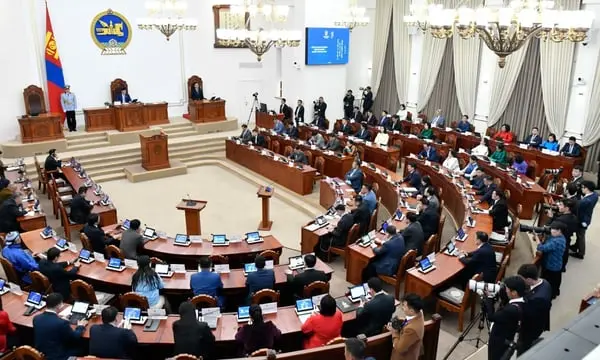 New Mongolian Government Sets Ambitious Development Targets
The United States is actively supporting the development of cross-border infrastructure. The focus remains on the TRIPP corridor, which links key markets. By funding specific projects, Washington seeks to reduce reliance on traditional trade lanes. This approach encourages local businesses to engage in regional supply chains. The goal is to create a sustainable economic ecosystem that benefits all parties involved.
The transition from pure diplomacy to active trade requires robust financial backing. The Trans-Caspian Enterprise Fund provides this necessary capital. It supports logistics, energy transmission, and digital connectivity along the route. Officials from both Baku and Yerevan have emphasized the importance of stability. Economic growth now serves as a primary driver for peace negotiations. Investors look for predictable regulatory environments and clear legal frameworks.
Does Money Guarantee Peace?
Azerbaijan’s Foreign Minister Jeyhun Bayramov highlighted the strategic value of the corridor. He noted that physical connections foster political trust. Similarly, Armenia’s Foreign Minister Ararat Mirzoyan stressed the need for mutual benefit. Both leaders agree that commerce can outlast political disagreements. The fund helps bridge the gap between policy agreements and on-the-ground implementation.
Critics argue that financial incentives alone cannot resolve deep-seated historical grievances. However, proponents believe that shared economic interests create a buffer against conflict. When nations trade, they develop interdependencies that make war costly. The US investment strategy leverages this principle. It encourages stakeholders to protect the corridor because their profits depend on it. This creates a self-reinforcing cycle of cooperation and growth.
The fund also targets small and medium-sized enterprises. These businesses often lack the resources to navigate complex international regulations. By providing grants and low-interest loans, the initiative lowers entry barriers. This democratizes access to the new trade routes. More local companies can participate in the supply chain. This broadens the base of support for the corridor among the general population.
The long-term outlook suggests a more integrated South Caucasus economy. If the TRIPP corridor succeeds, it could serve as a model for other regions. Success depends on consistent political will from all neighboring states. The US commitment provides a stabilizing anchor during uncertain times. As trade volumes increase, diplomatic ties are likely to strengthen further. The region stands at a critical juncture where economics and politics intersect decisively.
Frequently Asked Questions
What is the Trans-Caspian Enterprise Fund? It is a US-backed financial mechanism designed to support infrastructure and business development. It specifically targets projects within the TRIPP corridor region.
How does this fund differ from previous aid? Previous assistance often focused on diplomatic goodwill or humanitarian needs. This fund prioritizes commercial viability and private sector growth.
Which countries benefit most from this initiative? Azerbaijan and Armenia are the primary beneficiaries due to their geographic position. Neighboring states like Georgia and Turkey also see indirect gains through increased transit traffic.